

Nepal's Historic General Election Approaches Amid Political Transformation
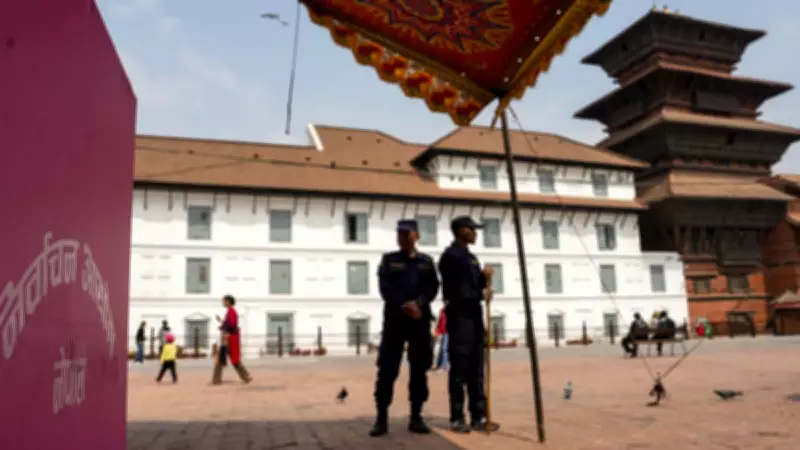
Nepal is poised to hold a landmark general election this Thursday, marking the first such event following the significant Gen Z protests that swept the nation. This pivotal democratic exercise is set to shape the country's political landscape for years to come, with millions of citizens preparing to cast their votes in a highly anticipated electoral process.
Unprecedented Voter Turnout and Candidate Participation
More than 18.9 million eligible Nepalese voters are registered to exercise their franchise in this crucial election. The electoral process will determine the composition of the 275-member House of Representatives (HoR), Nepal's key legislative body. Voters face a substantial choice among 3,406 candidates competing for 165 seats through direct voting, while an additional 3,135 candidates are vying for 110 seats allocated via proportionate voting systems.
Context of Gen Z Protests and Electoral Significance
This election holds particular significance as it represents the first national vote since the widespread Gen Z protests that highlighted demands for greater political accountability, transparency, and youth representation. The protests, which gained momentum across Nepal, have influenced campaign narratives and voter expectations, with many candidates addressing issues raised by younger generations.

The electoral framework involves:
- Direct Voting Seats: 165 positions contested through first-past-the-post system.
- Proportionate Voting Seats: 110 seats allocated based on party vote shares.
- Total Candidates: 6,541 individuals participating across both voting methods.
Broader Implications for Nepal's Democratic Future
Observers note that this election could signal a shift in Nepal's political dynamics, potentially bringing new voices to parliament that reflect the concerns articulated during recent protests. The substantial candidate pool suggests robust democratic competition, while the large electorate indicates strong civic engagement.
As Nepal prepares for Thursday's voting, international attention focuses on how this post-protest election might influence governance, policy priorities, and the relationship between established political structures and emerging public demands. The outcome is expected to have lasting implications for the country's development trajectory and democratic consolidation.






