

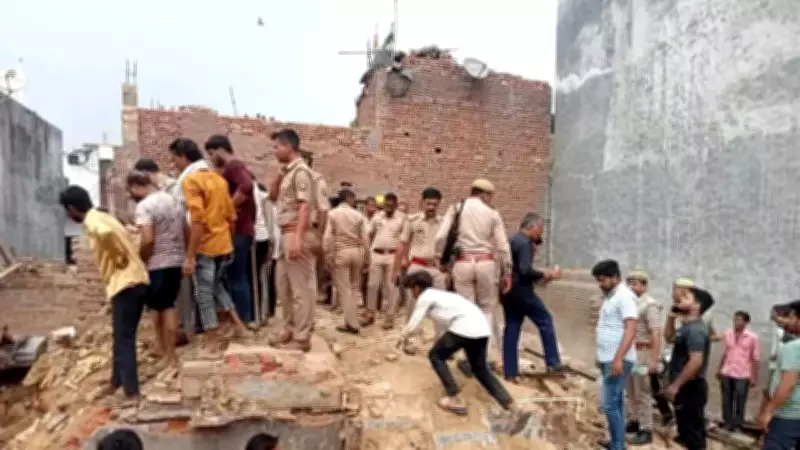
National Green Tribunal Takes Action on Ghaziabad Firecracker Tragedy
The National Green Tribunal (NGT) has stepped into a tragic case from Ghaziabad, issuing formal notices to the Uttar Pradesh government, the Uttar Pradesh Pollution Control Board (UPPCB), and several private individuals. This legal action stems from a devastating explosion at an illegal firecracker manufacturing unit that occurred on September 23, 2023. The tribunal has directed all parties to submit their replies by the next scheduled hearing date of July 16, 2024.
Details of the Fatal Incident and Legal Proceedings
The principal bench of the NGT, led by Chairperson Justice Prakash Srivastava and including expert members Dr. A. Senthil Vel and Dr. Afroz Ahmad, took cognizance of a compensation plea filed by the victims' families. The explosion, which completely destroyed a double-storey building in Roopnagar, Loni, resulted in the tragic deaths of seven individuals. Among the deceased were children and direct family members of the applicants who filed the case.
The applicants—Shakil Saifi, Kaynat Khan, Anisha Begum, and Shyamvati—each lost one or more relatives in the incident. They filed their application under Sections 15 and 17 of the National Green Tribunal Act, 2010, seeking environmental compensation for the losses suffered. The illegal firecracker unit was allegedly operating from a residential house located near Pani Ki Tanki, completely disregarding safety regulations and zoning laws.

Multiple Regulatory Failures and Lack of Compensation
The applicants have presented compelling evidence highlighting systemic failures. They submitted that the firecracker manufacturing unit was operating without any mandatory permissions from competent authorities. Furthermore, they referenced a previous NGT order dated April 18, 2023, where environmental compensation was awarded in a similar matter. Notably, when that tribunal order was challenged in the Supreme Court, the appeal was dismissed on February 27, 2026, setting a potential precedent.
Critical documents submitted to the tribunal include:
- An FIR related to the explosion incident.
- Post-mortem reports confirming the cause of death as the explosion.
- Replies obtained through Right to Information (RTI) applications filed with various authorities.
One RTI reply from the UPPCB indicated that the unit lacked the necessary environmental clearance. Another RTI response from the District Magistrate's office revealed that the unit did not possess a required license under the Explosives Act of 1884. Despite this evidence of illegal operation and regulatory negligence, the applicants claim they have been denied any form of compensation to date.
Wider Implications and Next Steps
The NGT's intervention underscores the serious environmental and public safety hazards posed by unregulated industrial activities in residential areas. The notices have been issued to private individuals named in the case—Sharik, Vikas Goyal, and Rahish Ahmad—alongside the government bodies, holding all potentially responsible parties accountable.
This case brings to light the urgent need for stricter enforcement of industrial and environmental regulations to prevent such tragedies. The tribunal's demand for replies by July 16 marks a critical step toward justice for the victims' families and could influence how similar cases of environmental damage and public safety violations are handled in the future. The outcome may also pressure local authorities to intensify crackdowns on illegal manufacturing units operating without proper safeguards.






