National Human Rights Commission Demands Action Report on Extramarital Dating Platform
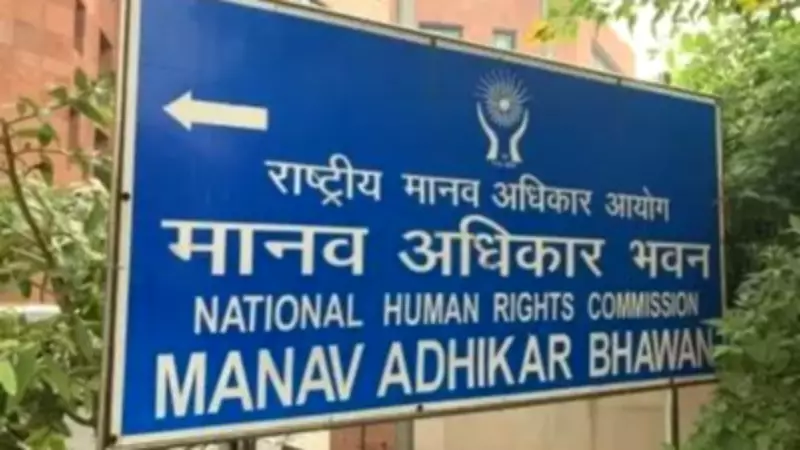
Bengaluru: The National Human Rights Commission has taken significant regulatory action by issuing a formal notice to the Ministry of Electronics and Information Technology concerning the extramarital dating application Gleeden. This development represents a crucial intervention in digital platform oversight, with the commission specifically requesting a comprehensive action taken report addressing multiple safety concerns that have emerged regarding the platform's operations in India.
Complaint Details and Commission Response
The regulatory notice, officially dated April 9, originates from a detailed complaint submitted by the Seva Nyaya Utthan Foundation. This organization has raised substantial allegations that the Gleeden platform actively facilitates extramarital relationships while maintaining millions of registered users across the Indian subcontinent. The foundation's submission has brought to light several critical issues that demand immediate governmental attention and regulatory scrutiny.
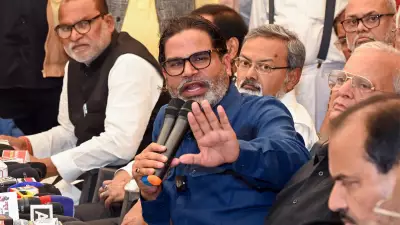
Priyank Kanoongo, a distinguished member of the National Human Rights Commission, emphasized the gravity of these concerns through a public statement on social media platform X. "The complaint highlights concerns about misuse through false identities, exploitation of women, and access by minors, raising serious issues of user safety and regulatory oversight," Kanoongo declared, underscoring the commission's commitment to addressing these digital safety challenges.

Specific Safety Concerns and Regulatory Mandate
The commission has identified several specific areas of concern that require urgent investigation and regulatory response:
- Misuse Through False Identities: The platform's verification mechanisms have come under scrutiny for potentially enabling users to create deceptive profiles
- Exploitation Risks for Women: Particular vulnerabilities faced by female users on the platform demand specialized protective measures
- Minor Access Prevention: Inadequate age verification systems may be allowing underage individuals to access adult-oriented content and services
Following preliminary examination, the commission has determined that these allegations "seem to be violations of the human rights of the victims" on a prima facie basis. This assessment has triggered the formal directive to MeitY, with the ministry receiving a strict two-week deadline to conduct a thorough examination and submit its detailed findings report.
Broader Regulatory Implications and Safeguard Review
The National Human Rights Commission has expanded its directive beyond immediate investigation, requesting that the Ministry of Electronics and Information Technology undertake a comprehensive review of existing protective measures. This includes:
- Evaluating current safeguards specifically designed to protect women and children on digital platforms
- Assessing whether India's existing regulatory frameworks adequately address the unique challenges presented by adult-oriented service platforms
- Identifying potential gaps in legislation and enforcement mechanisms that require immediate attention
This regulatory action occurs within a broader context of increasing scrutiny directed toward digital platforms offering adult-oriented services across India's rapidly evolving internet ecosystem. The commission's intervention highlights growing concerns about verification protocols, user safety standards, and regulatory oversight mechanisms in the country's digital landscape.
The development represents a significant moment in India's ongoing efforts to balance digital innovation with user protection, particularly regarding platforms that operate in sensitive relationship domains. As digital platforms continue to proliferate, regulatory bodies face increasing pressure to establish robust frameworks that protect vulnerable users while maintaining appropriate oversight of emerging technologies and services.