The National Human Rights Commission (NHRC) will conduct an online hearing on July 9 to address 86 cases of alleged bonded labour in brick kilns across various districts in Haryana. NHRC chairperson Justice V Ramasubramanian will chair the virtual hearing.
Scope of the Hearing
The human rights body will review the status of rehabilitation packages, financial aid, skill training, and alternate livelihoods for rescued labourers. It will also assess the progress of e-Shram portal registrations to secure social security benefits and measures taken to prevent recurrence in the identified districts.
"The authorities are expected to present detailed reports on the actions taken, including the identification and release of bonded labourers as well as their registration on the e-Shram portal, a central platform for unorganised workers," the NHRC stated.

Focus on Compliance and Legal Framework
The virtual hearing will focus on the assessment of action taken by district magistrates on complaints sent by the NHRC, along with the status of compliance with the Bonded Labour System (Abolition) Act, 1976, and orders of the Supreme Court in the Bandhua Mukti Morcha and Asiad Workers’ cases.
The Commission has directed the Haryana chief secretary or nominee, the labour commissioner, and all concerned district magistrates to be present during the online hearing.
Bonded Labour Crisis in Haryana Brick Kilns
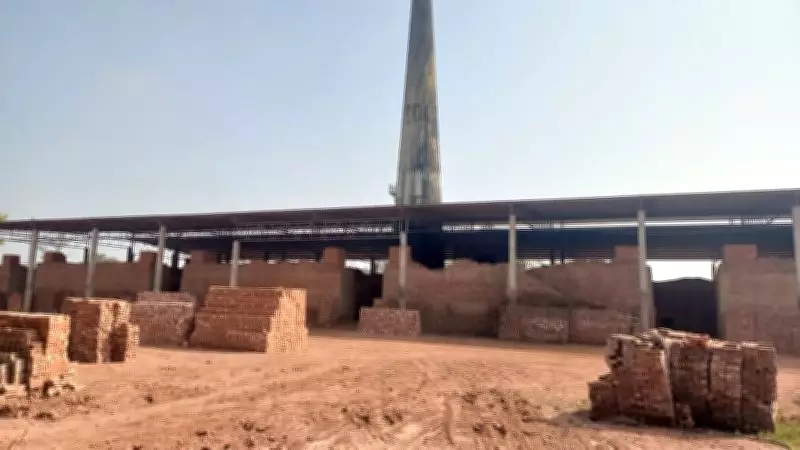
Bonded labour remains a critical issue in Haryana’s unorganized brick kiln industry, frequently involving marginalised and migrant workers trapped through advance payments and debt bondage. Migrant workers in Haryana's brick kilns form a vital yet frequently ignored part of the state's labour force. Predominantly hailing from economically disadvantaged regions like Uttar Pradesh, Bihar, Jharkhand, and West Bengal, they are attracted to Haryana's thriving construction sector.
Their socio-economic circumstances are largely defined by poverty, limited educational opportunities, social exclusion, and economic hardship. Major findings reveal that migrant brick kiln workers face a lack of education and health care facilities. Lower income levels, prevalence of debt, and lack of savings are the major socio-economic challenges faced by these workers.