

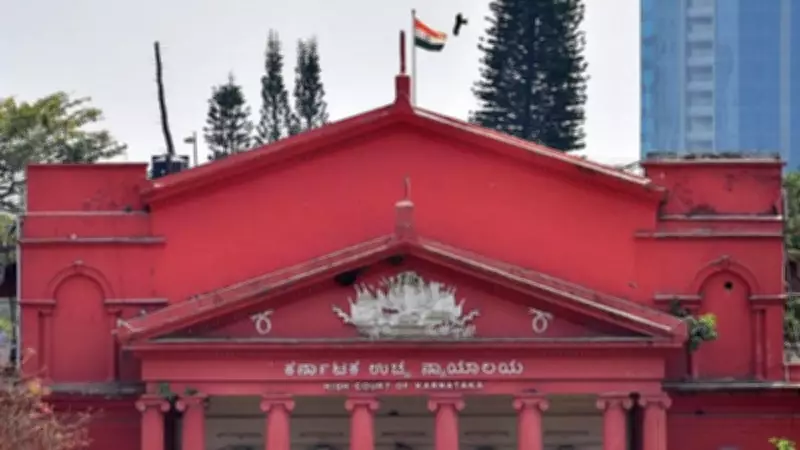
Nomadic communities in Karnataka are set to challenge the state government's new internal quota formula in the Karnataka High Court. The Confederation of Nomadic Communities had previously opposed the Cabinet's decision on August 19, 2025, which introduced a 6-6-5 reservation ratio for Scheduled Castes (SCs). Now, they are preparing to file a petition against the policy, arguing that it undermines their representation and violates constitutional guarantees.
Background of the Dispute
The Karnataka state cabinet had approved an internal reservation system for SCs, dividing the quota into three categories: 6% for one group, 6% for another, and 5% for a third. This decision was aimed at addressing disparities among SC sub-groups. However, nomadic communities, which fall under the SC category, claim that the formula disproportionately benefits certain groups while marginalizing others.
Confederation's Stance
The Confederation of Nomadic Communities has been vocal in its opposition. In a statement, the group said that the new formula is arbitrary and lacks proper consultation with affected communities. They argue that it perpetuates historical inequities and fails to ensure fair distribution of benefits. The Confederation had previously challenged the decision in court, and now it is renewing its legal battle.

Legal Action Ahead
The Confederation plans to approach the Karnataka High Court seeking a stay on the implementation of the 6-6-5 quota. They contend that the state government's move is unconstitutional and violates the principles of equality enshrined in the Indian Constitution. The petition is expected to be filed in the coming weeks, with hearings likely to draw significant attention from various SC sub-groups.
Government's Justification
The Karnataka government has defended its decision, stating that the internal reservation is based on a comprehensive study of socio-economic conditions among SC communities. Officials claim that the formula aims to uplift the most backward sections within the SC category. However, nomadic communities remain unconvinced, insisting that the quota system must be revised to include their specific needs.
As the legal battle unfolds, the issue highlights the complexities of reservation policies in India and the ongoing struggle for equitable representation among marginalized groups.






