

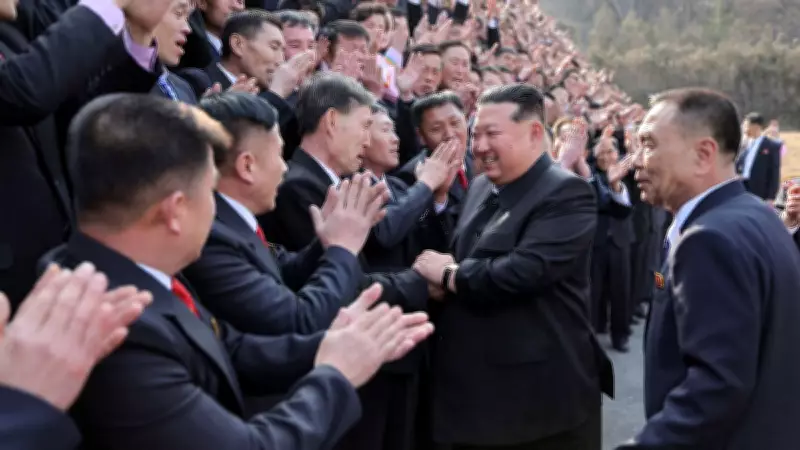
North Korea's 2026 Elections: Kim Jong Un Secures Overwhelming 99.93% Vote Share
In a highly anticipated political event, North Korea conducted its parliamentary elections in 2026, with Supreme Leader Kim Jong Un achieving a staggering 99.93% of the votes. According to official reports released by the state media, only 0.07% of the electorate voted against him, underscoring the tightly controlled and monolithic nature of the nation's political system.
Election Process and Voter Turnout
The elections were held for the Supreme People's Assembly, North Korea's unicameral parliament, which plays a ceremonial role in rubber-stamping decisions made by the ruling Workers' Party of Korea. State media emphasized a near-perfect voter turnout, with citizens across the country participating in what is described as a display of national unity and loyalty to the leadership.
Voting is mandatory in North Korea, and the process is closely monitored by government officials. Ballots typically feature a single candidate per constituency, all pre-approved by the ruling party, making the outcome a foregone conclusion. The 2026 results continue this long-standing tradition, with Kim Jong Un's vote share reflecting the regime's emphasis on unanimous support.

Analysis of the Vote Breakdown
The 99.93% in favor of Kim Jong Un represents one of the highest approval ratings recorded in North Korean election history. The minuscule 0.07% opposition vote, while statistically negligible, has drawn attention from international observers. Analysts suggest that this small fraction could indicate rare instances of dissent or procedural errors, but it is largely viewed as a symbolic gesture to maintain an appearance of electoral legitimacy.
Experts on Korean politics note that such elections serve multiple purposes:
- Reinforcing Leadership: They publicly affirm Kim Jong Un's unchallenged authority and the population's allegiance.
- Political Theater: The elections are staged to project an image of democratic participation, despite the lack of genuine political competition.
- Internal Control: The process allows the regime to monitor citizen compliance and identify any potential pockets of resistance.
International Reactions and Context
Global responses to the 2026 North Korean elections have been largely critical. Western nations and human rights organizations have condemned the exercise as a sham, highlighting the absence of free and fair electoral practices. In contrast, allies such as China and Russia have refrained from public criticism, aligning with their diplomatic stances toward Pyongyang.
This election occurs against a backdrop of ongoing tensions in the Korean Peninsula, including nuclear negotiations and economic sanctions. The results are seen as a tool for Kim Jong Un to consolidate power domestically while presenting a united front internationally.
Looking ahead, the 2026 vote is expected to have little impact on North Korea's governance structure, which remains centered around Kim Jong Un and the Workers' Party. However, it reinforces the regime's strategy of using electoral rituals to sustain its grip on power and suppress dissent.






