

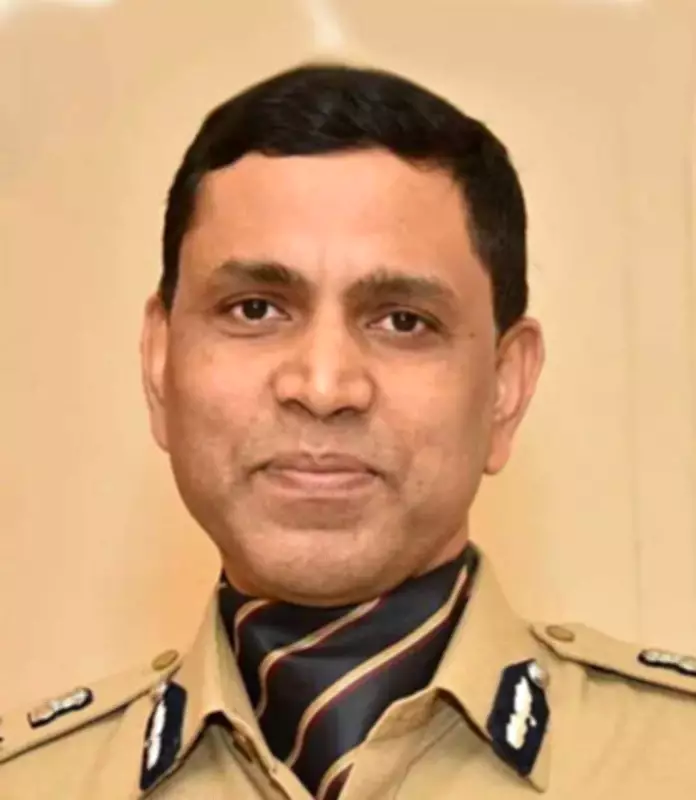
Odisha Police Submits Panel for Next DGP to State Government
In Bhubaneswar, as the two-year tenure of Director General of Police (DGP) Y B Khurania concludes on August 16, the Odisha police headquarters has taken a significant step by forwarding a panel of three DGP-rank officers to the state government. The officers named are Sudhanshu Sarangi, Susanta Kumar Nath, and R P Koche. This move initiates the formal process for selecting the next top police official in the state.
Government to Forward List to UPSC Next Month
According to DGP Khurania, the list of eligible officers has been sent to the government, which will then submit it to the Union Public Service Commission (UPSC) next month, adhering to established protocol. Khurania praised the state government for its efforts in strengthening the police force during his tenure, highlighting increased budget allocations, enhanced manpower, and improved infrastructure as key achievements.
Eligibility and Exclusion Criteria in Focus
Currently, Odisha has four DGP-ranked officers besides Khurania: Sudhanshu Sarangi from the 1990 batch, and Susanta Kumar Nath, R P Koche, and Vinaytosh Mishra from the 1993 batch. Mishra, who serves as the DG of the crime branch, is automatically excluded from consideration for the DGP post. This is due to his retirement on November 3, which does not meet the minimum residual tenure requirement of six months from the date the DGP position becomes vacant.

Speculation is growing that the next DGP may be chosen from among Sarangi and Koche, given their seniority and eligibility. The selection process mandates that states propose a panel of DGP-rank officers who satisfy seniority and eligibility criteria, with at least six months of service remaining before retirement from the vacancy date.
UPSC's Role and Revised Guidelines
The UPSC plays a crucial role in this process by shortlisting three names from the state's panel, from which the state government then appoints one as the DGP. In 2023, the UPSC revised its guidelines, reducing the minimum service requirement from 30 years to 25 years. This change aims to broaden the pool of eligible candidates, ensuring a more diverse selection.
For smaller states and Union territories with limited IPS cadre strength, the guidelines allow for the nomination of Additional Director General (ADG)-rank officers with 25 to 30 years of service if DGP-ranked officers are not available. According to UPSC guidelines issued on January 8, 2026, the panel should not exceed three officers, though it may include fewer in exceptional circumstances.
Merit-Based Selection Process Emphasized
The empanelment process is designed to be merit-based, with suitability assessed through service records and a range of professional experiences. A government official noted that since Odisha already has three eligible DGP-ranked officers, no additional names are required at this stage. However, if necessary, more names may be recommended in cases where officers are excluded due to pending proceedings.
If the panel requires expansion, the UPSC committee will shortlist three officers based on seniority, merit, and experience. From this shortlist, the state government will make the final appointment for the next DGP, ensuring a transparent and rigorous selection process.






