Odisha Police Brings Criminal Justice to Life with Interactive Exhibition in Bhubaneswar
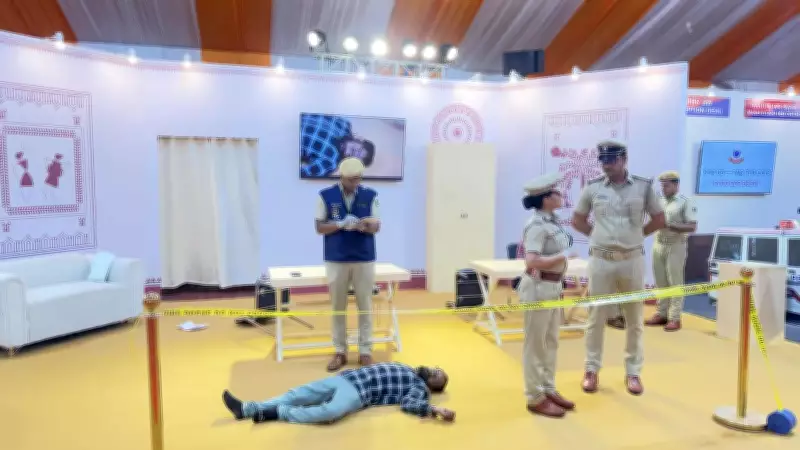
In an innovative effort to educate the public, the Odisha Police has launched a groundbreaking exhibition in Bhubaneswar, using dynamic live performances to vividly depict every stage of the criminal justice process. This initiative, part of their inaugural 'Nyaya Sanhita' exhibition, aims to provide citizens with an immersive understanding of India's new criminal laws that replaced colonial-era statutes on July 1, 2024.
Immersive Showcase of Justice Under New Laws
The event, inaugurated on Friday at the IDCO exhibition ground in Bhubaneswar, features various stalls and simulations where police personnel enact key phases of a criminal case. From crime scene investigation and police response to forensic evidence collection, arrest procedures, laboratory examinations, courtroom trials, and final conviction and imprisonment, each step is brought to life through engaging performances. This hands-on approach helps demystify the legal procedures under the new Bharatiya Nyaya Sanhita (BNS), Bharatiya Nagarik Suraksha Sanhita (BNSS), and Bharatiya Sakshya Adhiniyam (BSA), which have superseded the Indian Penal Code, Code of Criminal Procedure, and Indian Evidence Act.
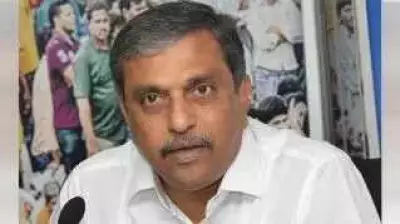
Director General of Police Y B Khurania emphasized the transformative nature of these reforms, stating, "We are highlighting how the reforms promote scientific and technology-driven investigations, ensuring watertight cases and quick conviction. These reforms mark a decisive shift from a colonial punitive system to a justice-oriented one. They prioritize victims' rights and dignity, mandate timely investigations and trials." This exhibition underscores the police's commitment to transparency and public awareness in the evolving legal landscape.
Government Support for Forensic Science and Justice Enhancement
During the launch of several projects in Bhubaneswar on the same day, Union Home Minister Amit Shah highlighted the critical role of scientific and forensic investigation in strengthening the justice system. He noted significant improvements in conviction rates, with 87 out of every 100 accused now being convicted in Odisha, attributing this success to enhanced investigative techniques and legal reforms.
Shah laid the foundation stone for a National Forensic Sciences University and a Central Forensic Science Laboratory in the state, while also inaugurating a transit campus of the NFSU. He announced plans to establish online forensic laboratories in one district of every state to expand access to modern investigative tools, aiming to bolster the efficiency and accuracy of criminal investigations nationwide.
Chief Minister Mohan Charan Majhi expressed optimism about these developments, saying, "These state-of-the-art institutions will transform Odisha into a hub for forensic science education and give a new direction to criminal investigation. With advanced technology and skilled professionals, the process will become more transparent and efficient, ensuring timely justice. Our government is committed to building Odisha as a safe and technologically empowered state." This aligns with broader efforts to integrate technology into law enforcement and judicial processes.
Impact and Future Directions
The Nyaya Sanhita exhibition not only serves as an educational tool but also reflects a larger shift towards a more accessible and victim-centric justice system in India. By combining live performances with informational displays, the Odisha Police is fostering greater public trust and understanding of legal procedures. As forensic science continues to gain prominence, initiatives like this exhibition and the new forensic institutions are expected to drive further improvements in crime-solving and conviction rates, setting a precedent for other states to follow.