Orissa High Court Orders Immediate Action to Contact 15 Migrant Workers Allegedly Detained in Telangana Brick Kiln
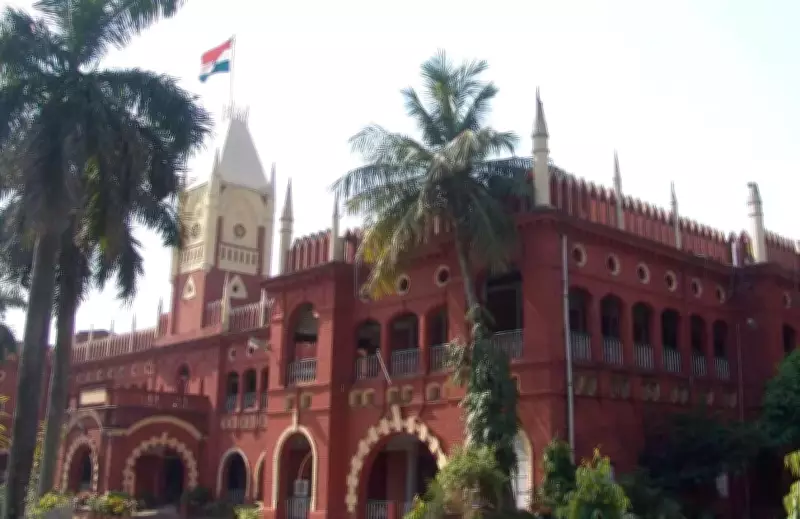
In a significant intervention, the Orissa High Court has issued a directive to the Superintendent of Police (SP) of Subarnapur, Narayan Nayak, to take immediate steps to contact 15 migrant workers from Subarnapur and Balangir districts. These workers are reportedly being illegally detained at a brick kiln in Telangana, raising serious concerns about forced labor and exploitation.
Court Hearing and Directives
During a hearing on Monday, a division bench comprising Chief Justice Harish Tandon and Justice M S Raman addressed a petition filed by the 15 individuals. The bench instructed SP Narayan Nayak to verify the allegations of illegal detention and exploitation by the brick kiln owner in Telangana. The court emphasized that if any wrongdoing is confirmed, appropriate legal action must be taken without delay.
The bench stated, "The petition has vividly revealed the owner of the brick field stationed in the state of Telangana and, therefore, there is no impediment on the part of the police administration to take an appropriate step in this regard." They further directed, "We, therefore, direct the superintendent of police (SP), Subarnapur to immediately take steps to contact the petitioners, who are allegedly detained at the said brick field. In the event, the allegation has any semblance of truth, further steps as required under law should be ensured."
Allegations of Exploitation and Forced Labor
According to the petition, the migrant workers had moved to Telangana "in pursuit of better condition of life and to earn livelihood." However, they allegedly faced severe exploitation, including:
- Being forced to work in violation of statutory safeguards.
- Not receiving adequate food or medical care during illness.
- Being prevented from leaving the worksite, effectively detaining them against their will.
The court took serious note of these allegations, observing, "It raises a serious concern as the slavery of the forced labour has been abolished and the detention of such nature cannot be appreciated in a civilized society." This statement underscores the gravity of the situation, linking it to modern-day slavery issues.
Legal Proceedings and Future Steps
The matter has been scheduled for further hearing on March 16. On this date, SP Narayan Nayak is expected to submit a detailed report outlining the progress made in complying with the court's directives. This report will be crucial in determining the next legal steps and ensuring the workers' safety and rights.
Interestingly, the court noted that authorization was provided on behalf of only one petitioner to file the plea. Despite this, the bench chose to proceed with the case, citing the seriousness of the allegations. They found no obstacle in examining the matter, highlighting the judiciary's proactive stance in addressing potential human rights violations.
This case sheds light on the ongoing challenges faced by migrant workers in India, particularly in sectors like brick kilns where exploitation can occur. The Orissa High Court's intervention marks a critical step towards accountability and justice, emphasizing the need for strict enforcement of labor laws to protect vulnerable populations from such abuses.