Bail Hearings for Independent MP Pappu Yadav Postponed Following Court Evacuation
The bail applications of Independent Member of Parliament Pappu Yadav in several pending cases have been rescheduled to Friday after a disruptive security incident at the Patna civil court complex. According to his legal representative, Shivnandan Bharti, the proceedings were initially slated for Thursday morning around 11 AM but faced significant delays.
Security Alert Causes Court Evacuation and Hearing Disruption
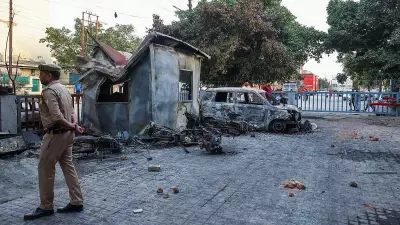
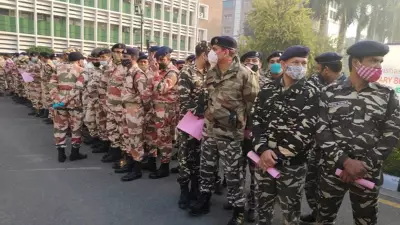
The scheduled hearings were thrown into chaos when a bomb threat prompted immediate evacuation and comprehensive security checks at the Patna civil court premises. This emergency measure led to the postponement of all court activities, including Yadav's bail matters. The MP only managed to appear during the afternoon session, as the morning proceedings were entirely canceled due to the security scare.
Authorities later confirmed that the bomb alert was a hoax, but the damage to the day's judicial calendar was already done. The false threat not only disrupted the court's operations but also highlighted ongoing security concerns at key public institutions in the region.

Rescheduled Proceedings and Legal Implications
With the Thursday hearings effectively derailed, the Patna court has now listed Pappu Yadav's bail applications for Friday. These cases involve multiple pending legal matters where the independent MP is seeking pre-trial release. The delay adds another layer of complexity to Yadav's legal battles, which have been closely watched given his political stature and the nature of the charges involved.
Legal experts note that such disruptions can impact the timing of judicial outcomes, though they emphasize that the rescheduling is a routine procedural adjustment following unforeseen events. The court's priority remains ensuring safety while upholding the judicial process.
This incident underscores the challenges faced by India's judicial system in balancing security protocols with the timely administration of justice, particularly in high-profile cases involving political figures.