Punjab High Court Demands DGP Affidavit on Gurdaspur Encounter, Vows Scrutiny
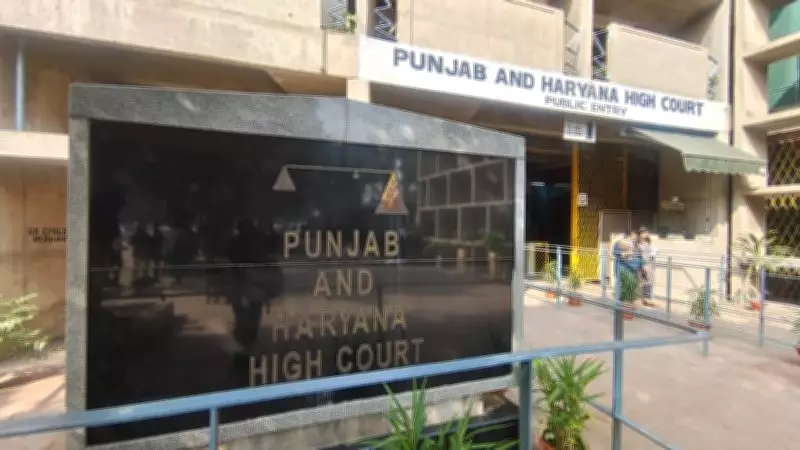
The Punjab and Haryana High Court has taken a firm stance on the controversial Gurdaspur encounter, directing the Punjab Director General of Police (DGP) to submit a detailed affidavit. The court emphasized that it cannot turn a blind eye to the numerous questions and concerns surrounding this high-profile incident.
Court's Directive to Punjab Police Chief
In a significant development, the High Court has formally requested the Punjab DGP to provide a sworn affidavit addressing all aspects of the Gurdaspur encounter. This legal document must comprehensively cover the events leading up to the encounter, the operational details, and the aftermath. The court's order underscores the judiciary's commitment to ensuring transparency and accountability in law enforcement actions.
Judicial Scrutiny of Encounter Details
The bench presiding over the case made it clear that the court has a duty to examine the encounter thoroughly. "We cannot shut our eyes to the questions that have been raised," the judges stated, highlighting the seriousness with which they view the allegations and inconsistencies reported in the case. This statement reflects the court's determination to uphold justice and prevent any potential miscarriage of due process.
Background of the Gurdaspur Incident
The Gurdaspur encounter, which occurred recently in Punjab, has been mired in controversy from the outset. Initial reports from police authorities described it as a routine anti-terror operation resulting in the neutralization of suspected militants. However, subsequent investigations and public outcry have cast doubt on the official narrative, prompting calls for an independent inquiry.
- Key Concerns: Questions have been raised about the authenticity of the encounter, with allegations of possible staged events or excessive use of force.
- Public and Legal Pressure: Human rights organizations and legal experts have demanded a thorough probe, citing the need for adherence to procedural safeguards.
- Impact on Police Credibility: The incident has sparked debates on police accountability and the need for robust oversight mechanisms in sensitive operations.
Implications for Law Enforcement in Punjab
This court order is expected to have far-reaching implications for police practices in Punjab. By mandating the DGP's affidavit, the judiciary is setting a precedent for greater scrutiny of encounter cases. Legal analysts suggest that this move could lead to:
- Enhanced Transparency: Police departments may be required to maintain more detailed records and justifications for operational decisions.
- Strengthened Accountability: Officers involved in encounters might face stricter reviews to ensure compliance with legal standards.
- Judicial Oversight: Courts could play a more active role in monitoring police actions to prevent abuses of power.
The High Court's intervention in the Gurdaspur encounter case marks a critical juncture in the ongoing discourse on police reform and judicial oversight in India. As the DGP prepares the affidavit, all eyes will be on the forthcoming details and the court's subsequent rulings, which could shape future encounter protocols and reinforce the rule of law in Punjab and beyond.