

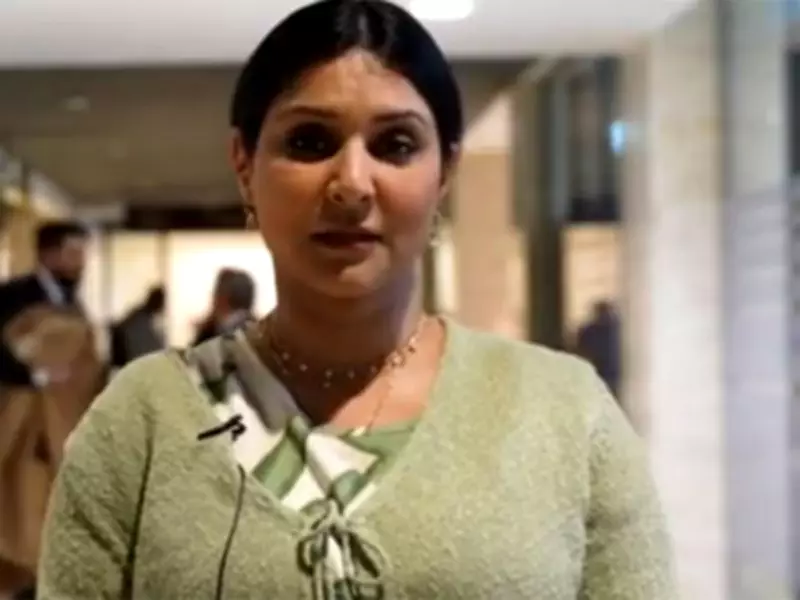
PWA Leader Urges EU to Suspend Pakistan's GSP Status at UNHRC Over Human Rights Violations
The leader of the Pashtun Welfare Association (PWA) has made a significant appeal to the European Union, calling for the suspension of Pakistan's Generalized Scheme of Preferences Plus (GSP+) trade status. This urgent request was formally presented during a session at the United Nations Human Rights Council (UNHRC), highlighting ongoing and severe human rights violations in Pakistan.
Key Allegations and International Response
The PWA leader detailed numerous allegations of human rights abuses, including extrajudicial killings, enforced disappearances, and systematic discrimination against minority groups, particularly in the Pashtun-dominated regions. These violations, according to the association, directly contravene the human rights commitments that Pakistan agreed to under the GSP+ framework, which grants the country preferential trade access to the EU market in exchange for upholding international conventions on human rights, labor standards, and environmental protection.
The European Union's GSP+ scheme is a critical trade instrument designed to promote sustainable development and good governance in developing countries. Pakistan has been a beneficiary since 2014, enjoying reduced tariffs on exports to the EU, which has bolstered its economic ties with the bloc. However, the PWA argues that Pakistan's failure to address these human rights issues warrants immediate action from the EU to suspend its GSP+ status, potentially impacting bilateral trade relations.

Implications for Pakistan and Global Trade
If the EU heeds this call, it could lead to significant economic repercussions for Pakistan. The GSP+ status has been instrumental in enhancing Pakistan's exports, particularly in textiles and agricultural products, to European markets. A suspension might result in increased tariffs, reducing competitiveness and affecting the livelihoods of many workers in export-oriented industries.
This development underscores the growing intersection between trade policies and human rights enforcement on the global stage. The UNHRC session served as a platform for the PWA to amplify its concerns, urging international bodies to hold Pakistan accountable. The EU is now faced with a decision that balances economic interests with its commitment to human rights principles, as outlined in the GSP+ regulations.
In response, Pakistani officials have previously defended their human rights record, citing efforts to improve conditions and comply with international standards. However, critics, including the PWA, contend that these measures are insufficient and that tangible progress is lacking, especially in conflict-affected areas.
Looking Ahead: Potential Outcomes and Broader Impact
The outcome of this appeal could set a precedent for how trade privileges are linked to human rights compliance worldwide. It highlights the role of advocacy groups like the PWA in influencing international policy and bringing attention to marginalized communities. As the EU reviews Pakistan's GSP+ status, stakeholders will be closely monitoring any developments that could reshape trade dynamics and human rights advocacy in South Asia.
This situation also reflects broader trends in global governance, where economic incentives are increasingly used as leverage to promote ethical standards. The PWA's call at the UNHRC is a reminder of the ongoing challenges in ensuring that trade agreements contribute positively to human rights, rather than exacerbating existing inequalities.






