Queensland Announces Sweeping Hate Speech Reforms Following Bondi Beach Terror Attack
In a decisive response to the shocking Bondi Beach terror attack, the Queensland government is set to introduce landmark hate speech legislation that will ban specific pro-Palestinian slogans. Premier David Crisafulli confirmed on Sunday that the proposed reforms will be presented to the state parliament on Tuesday, marking a significant shift in Australia's approach to combating hate speech and religious violence.
Specific Phrases Targeted Under New Legislation
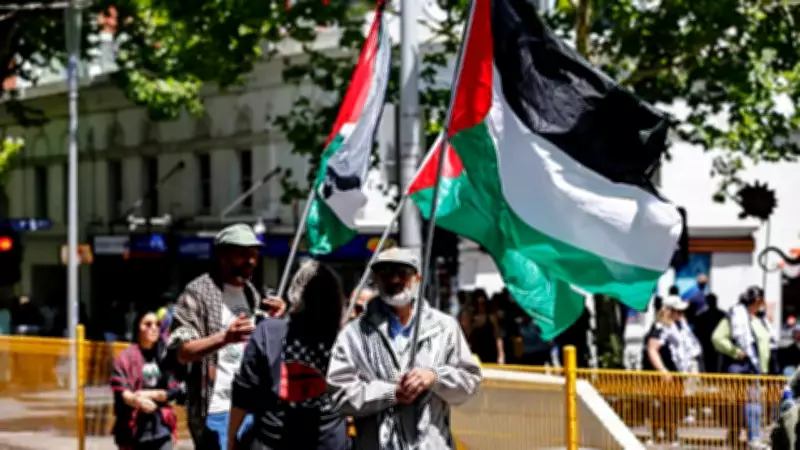
The legislation, if passed, will make Queensland the first Australian state to explicitly prohibit the slogan 'from the river to the sea, Palestine will be free'. This phrase references the geographical area from the Jordan River to the Mediterranean Sea and gained prominence following Israel's military actions in Gaza that began on October 7, 2023.
Another phrase, 'globalise the intifada', will also be included in the banned expressions, as confirmed by Attorney General Deb Frecklington. The term intifada originates from Arabic meaning 'uprising' and is used by pro-Palestinian supporters, though many in the Jewish community interpret it as a call to violence against them.

"These sayings have no place in Queensland when they are used to incite hatred, offence, and menace," stated Frecklington, emphasizing the government's commitment to creating a safer community environment.
New Offenses and Enhanced Penalties
The proposed legislation creates a new offense prohibiting the public distribution, publication, display, or recitation of prescribed phrases with the intent to cause menace, harassment, or offense. Individuals found violating this provision would face a maximum penalty of two years imprisonment.
Beyond the slogan ban, the reforms introduce several other significant measures:
- A new offense for impeding or harassing people attending religious services, carrying a penalty of three years imprisonment
- Enhanced penalties for assaulting or threatening religious ceremony officiants, increasing from two to five years imprisonment
- Maximum sentences of seven years for intentionally damaging places of worship
- Extension of extremist symbol bans to include the Hamas flag and emblem, Islamic State flag, Hezbollah emblem, and Nazi symbols, with penalties increasing from six months to two years imprisonment
A "Considered" Response to National Tragedy
The reforms come directly in response to the December 14, 2025, Bondi Beach attack that killed 15 people and injured more than 40 during a Hanukkah celebration. This tragic event represents the deadliest attack in Australia since the 1996 Port Arthur massacre and stands as one of the most severe antisemitic incidents in the country's history.
Premier Crisafulli described the legislative package as a "considered," "calm," and "detailed" response, stating, "We didn't take a kneejerk reaction. This is about drawing a clear line – and stamping out the embers of hatred that were allowed to burn unchecked for too long – to ensure we protect Queenslanders."
The government consulted extensively with the Crime and Corruption Commission, the Human Rights Commission, and Queensland police during the drafting process to ensure balanced and effective legislation.
Community Response and Broader Implications
Jason Steinberg, President of the Queensland Jewish Board of Deputies, welcomed the reforms, stating they would help the Jewish community feel safer and rebuild confidence. "For the past two and a half years, the Jewish community has endured unprecedented levels of hate, intimidation, and fear," Steinberg said. "These reforms send a clear message that antisemitism and hate have no place in Queensland."
He further emphasized that "this bill goes beyond words and delivers real, practical protections for our community and for all people targeted by hate."

The legislation represents a significant expansion of Australia's hate speech laws and sets a precedent that other states may follow. By specifically targeting phrases associated with the Israeli-Palestinian conflict, Queensland is taking a firm stance on language that authorities believe contributes to religious and ethnic tensions within Australian society.
As the bill moves through parliament this week, it will likely spark debates about free speech, religious protection, and the appropriate governmental response to acts of terrorism and hate crimes. The outcome will be closely watched not only within Australia but by international observers monitoring how democracies balance security concerns with civil liberties.