

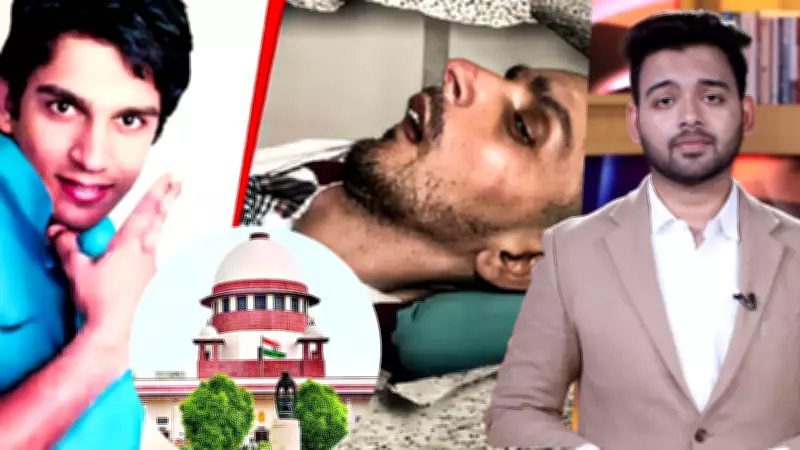
Historic Supreme Court Ruling Permits Passive Euthanasia After 13-Year Coma
In a groundbreaking decision that reshapes India's legal and ethical landscape regarding end-of-life care, the Supreme Court has authorized passive euthanasia for Harish Rana, a 32-year-old man who has remained in a persistent vegetative state for nearly 13 years. This landmark judgment marks a significant development in the nation's ongoing debate about the right to die with dignity.
The Case of Harish Rana
Harish Rana's tragic journey began in 2013 when he suffered severe brain injuries from a fall, leaving him in a coma with no realistic prospect of recovery. For over a decade, he has survived solely through constant medical support, including life-sustaining treatments that have kept him alive but without any meaningful consciousness or awareness.
The Supreme Court bench, comprising Justices J. B. Pardiwala and K. V. Viswanathan, ruled that Rana's parents may now withdraw medical support under strict judicial supervision. The court emphasized that this decision follows confirmation by medical boards that there is no reasonable chance of recovery, ensuring that such measures are taken only in cases of irreversible medical conditions.

Strengthening Legal Frameworks
This ruling significantly reinforces the legal foundation established in the historic Common Cause vs Union of India case, which first recognized the constitutional right to die with dignity in India. The Supreme Court clarified that passive euthanasia—where life-sustaining treatment is withdrawn—is permissible when medical experts unanimously confirm that a patient has no realistic hope of recovery and is in a persistent vegetative state.
The court outlined stringent safeguards to prevent misuse, including mandatory supervision by medical boards and judicial oversight. This ensures that decisions about withdrawing treatment are made carefully, ethically, and with full consideration of medical evidence rather than emotional or financial pressures.
Broader Implications for Medical Ethics
This judgment has profound implications for healthcare providers, patients' families, and policymakers across India. It addresses complex questions about:
- The balance between preserving life and respecting human dignity
- The ethical responsibilities of medical professionals in end-of-life care
- The legal rights of families facing heartbreaking decisions about loved ones in irreversible conditions
- The need for clear guidelines and protocols in hospitals nationwide
By providing a legal pathway for passive euthanasia in specific circumstances, the Supreme Court has acknowledged the reality that medical technology can sometimes prolong suffering rather than healing. The ruling emphasizes that the right to life includes the right to die with dignity when recovery is medically impossible.
This case sets an important precedent that will likely influence future legislation and medical practices regarding end-of-life decisions in India, offering clarity in situations where families face agonizing choices about continuing or withdrawing treatment for loved ones with no hope of recovery.






