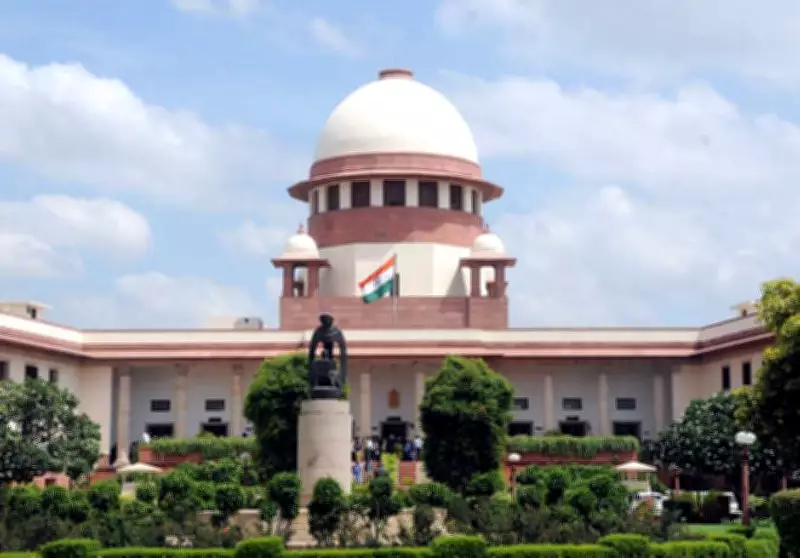
Supreme Court Cancels Haryana Government's 'Super Deluxe' Flat Allotment, Citing Gross Abuse of Power
In a landmark ruling, the Supreme Court of India has quashed the allotment of two 'super deluxe' flats by a housing society affiliated with the Haryana government. The court unequivocally declared the allocation process as a gross abuse of power, sending a strong message against administrative misconduct in public housing schemes.
Details of the Controversial Allotment
The case centered on the allotment of two premium flats by the Haryana government's housing society, which were designated as 'super deluxe' units. These flats were allocated through a process that the Supreme Court found to be riddled with irregularities and favoritism, undermining the principles of fairness and transparency expected in government operations.
According to the court's observations, the allotment bypassed standard procedures and eligibility criteria, effectively depriving deserving applicants of their rightful opportunities. This misuse of authority not only violated legal norms but also eroded public trust in the housing society's governance.
Supreme Court's Stern Rebuke
In its judgment, the Supreme Court emphasized that such actions constitute a blatant abuse of power, warranting immediate corrective measures. The court highlighted that public resources, including housing facilities, must be managed with utmost integrity and in accordance with established rules to prevent exploitation and corruption.
The ruling mandates the cancellation of the allotment and calls for a thorough review of the housing society's allocation processes to prevent future recurrences. This decision underscores the judiciary's role in upholding accountability and ensuring that government bodies adhere to ethical standards.
Implications for Haryana's Housing Policies
This case has significant implications for housing policies in Haryana, prompting calls for stricter oversight and reforms in how government housing societies operate. Experts suggest that the ruling could lead to enhanced transparency measures, such as digital tracking of allotments and independent audits, to safeguard against similar abuses.
Moreover, the incident raises broader questions about governance in public sector housing across India, where allegations of mismanagement and corruption have surfaced periodically. The Supreme Court's intervention serves as a reminder that legal frameworks must be robustly enforced to protect citizens' interests.
Public and Legal Reactions
Public response to the verdict has been largely positive, with many hailing it as a victory for justice and accountability. Legal analysts note that this ruling could set a precedent for challenging irregular allotments in other states, potentially leading to widespread reforms in government housing schemes.
In conclusion, the Supreme Court's cancellation of the 'super deluxe' flat allotment in Haryana marks a critical step in combating abuse of power. It reinforces the need for vigilance and legal scrutiny in public administration, ensuring that resources are distributed equitably and without bias.