

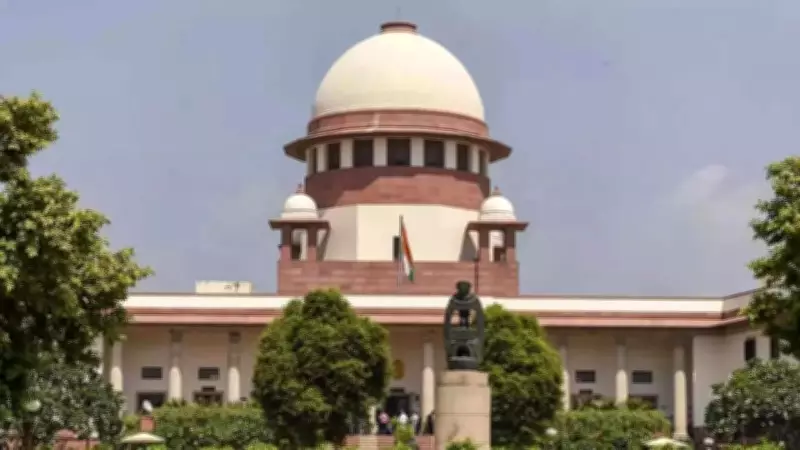
Supreme Court Delivers Scathing Rebuke to Haryana Authorities Over Child Rape Case
The Supreme Court of India has issued a forceful condemnation of the Haryana Police and the state's Child Welfare Committee for their handling of a sensitive case involving a three-year-old rape survivor. The apex court described their approach as "insensitive" and "shameful," marking a significant judicial intervention in child protection matters.
Court Highlights Grave Procedural Lapses
The bench expressed serious concern over the police summoning the minor victim to the police station instead of officials conducting a visit to her location. This action, the court emphasized, constitutes a clear violation of fundamental child protection protocols designed to minimize trauma for young survivors.
"Such conduct flies in the face of established norms for handling cases involving minor victims," the court observed during proceedings. The judiciary underscored that procedural sensitivity is not merely advisable but mandatory when dealing with children who have experienced severe trauma.

Concerns Over Charge Dilution Under Pocso Act
In addition to criticizing the handling of the victim, the Supreme Court raised alarming questions about the apparent dilution of charges in the First Information Report registered under the Protection of Children from Sexual Offences (Pocso) Act. The bench noted that the severity of the offense appeared to have been downgraded in official documentation, potentially affecting the legal course of the case.
The court's scrutiny extends to whether proper procedures were followed in documenting the allegations and whether the charges accurately reflect the gravity of the reported crime against the minor child.
Judicial Mandate for Child-Sensitive Approach
The Supreme Court bench explicitly highlighted the critical need for a child-sensitive approach in all matters involving minors within the legal system. This includes specialized handling during investigations, appropriate questioning techniques, and creating environments that do not re-traumatize vulnerable children.
The judiciary sent a clear warning that procedural lapses in cases involving child victims would not be treated lightly. The court indicated that authorities must adhere strictly to established child protection frameworks, and deviations would face judicial scrutiny and potential consequences.
Broader Implications for Child Protection Systems
This judicial intervention comes at a time when India's child protection mechanisms are under increased examination. The Supreme Court's strong language serves as a reminder to law enforcement agencies and child welfare bodies nationwide about their responsibilities toward minor victims.
The case has highlighted several systemic issues:
- Inadequate training of police personnel in handling child sexual abuse cases
- Potential gaps in coordination between police and child welfare committees
- The need for consistent application of Pocso Act provisions across states
- Importance of trauma-informed approaches in legal proceedings involving children
The Supreme Court's remarks are expected to influence how similar cases are handled across India's judicial and law enforcement systems, potentially leading to revised protocols and increased accountability for authorities dealing with child victims.






