Supreme Court Issues Stern Directive to Filmmaker Neeraj Pandey Over Controversial Film
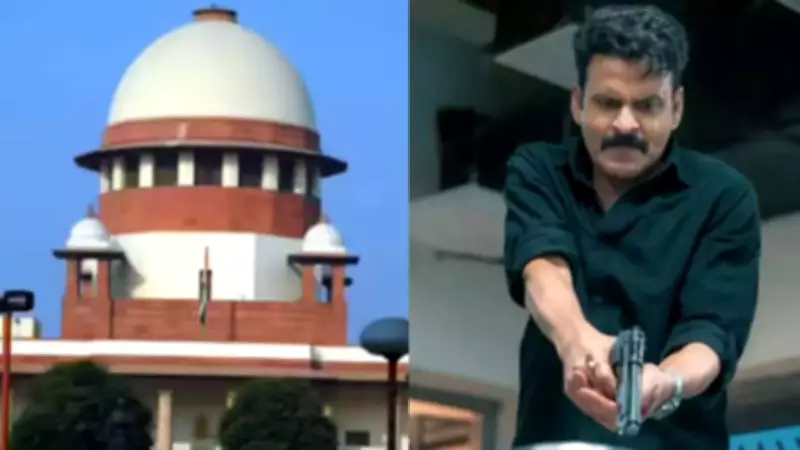
In a significant development, the Supreme Court of India has issued a clear directive to acclaimed filmmaker Neeraj Pandey, requiring him to file a formal affidavit stating that his upcoming film 'Ghooskhor Pandat' does not denigrate or insult any section of society. This order came during a hearing on a petition seeking to stay the film's scheduled release on the popular streaming platform Netflix.
Court's Strong Observations on Film Title
The bench presiding over the case made particularly sharp observations regarding the film's provocative title. "Title of movie is against morality, public order," the court told Pandey during the proceedings. The judicial panel further emphasized, "We will not allow you to release film unless you tell us changed title."
Questioning the fundamental intent behind choosing such a title, the bench remarked pointedly, "Why should you denigrate a section of society by using such title." These strong statements from the highest court underscore the serious nature of the concerns raised about the film's content and naming.

Legal Notices Issued to Multiple Parties
In addition to directing Pandey, the Supreme Court has formally issued notices to:
- The Central Government
- The Central Board of Film Certification (CBFC)
- Filmmaker Neeraj Pandey himself
These notices were issued in response to the petition that seeks to prevent the film's distribution and streaming release, highlighting the legal complexities surrounding content regulation in the digital age.
Parallel Criminal Case in Lucknow
The Supreme Court hearing coincides with a separate criminal case registered earlier this month in Lucknow against director Neeraj Pandey and members of his production team. According to police officials, multiple complaints have alleged that both the film's title and its content specifically target a particular caste, thereby offending religious and caste-based sentiments while potentially promoting social animosity.
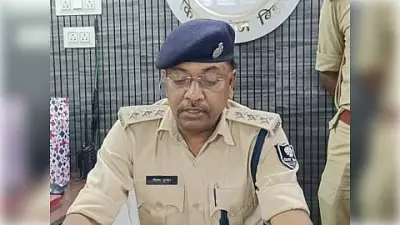
In an official statement released by the Lucknow police commissionerate, authorities emphasized that strict action is being ensured against any content that hurts religious or caste sentiments or disrupts communal harmony. The statement specifically noted that the film's title appears to have been deliberately chosen to insult a particular caste, which carries the potential to disturb public peace and social concord.
Police Investigation Findings
Police officials have indicated that preliminary scrutiny suggests the director and his team may have published the content with specific intentions. "Any attempt to incite hostility or hurt the sentiments of any community will not be tolerated. Strict legal action will be taken against those found guilty," stated DCP Central Zone, Vikrant Vir.
The First Information Report (FIR) has been registered under relevant sections of the Bharatiya Nyaya Sanhita (BNS) pertaining to:
- Promoting enmity between different groups
- Acts prejudicial to the maintenance of harmony
This legal action represents a serious escalation in the controversy surrounding the film, combining both civil petitions in the Supreme Court and criminal proceedings at the local level.
Broader Implications for Content Regulation
The case highlights the ongoing tension between creative expression and social responsibility in India's entertainment industry. With streaming platforms like Netflix becoming increasingly prominent distribution channels, questions about content regulation, certification processes, and societal impact have gained renewed urgency.
The Supreme Court's intervention at this stage, before the film's actual release, demonstrates the judiciary's proactive approach to preventing potential social discord. The requirement for an affidavit from the filmmaker represents a unique legal mechanism to ensure accountability while allowing due process to continue.

As the legal proceedings advance, all eyes will be on Neeraj Pandey's response to the court's directive and the eventual outcome of both the Supreme Court petition and the Lucknow criminal case. The resolution of this controversy may establish important precedents for how Indian courts balance artistic freedom with the protection of communal harmony in the digital streaming era.