

Supreme Court Directs Uttar Pradesh Government to Clear Encroachments for Noida Sewage Treatment Plant
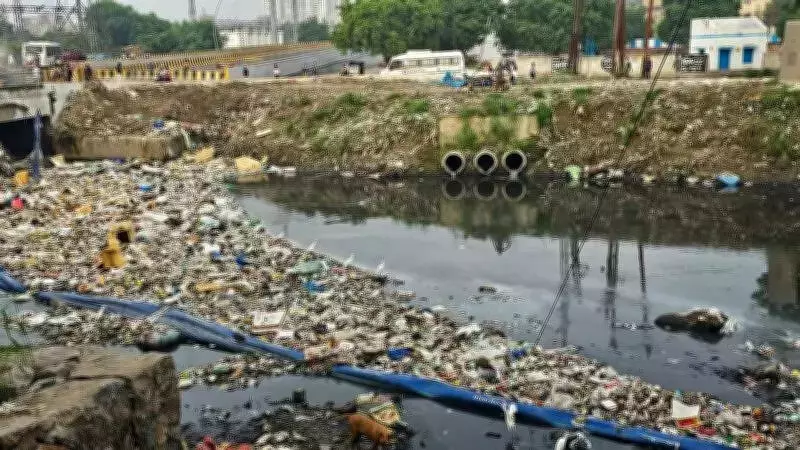
The Supreme Court of India has issued a significant directive to the Uttar Pradesh state government, ordering the immediate removal of all encroachments from land specifically allocated for the construction of a crucial sewage treatment plant in Khoda Colony, Noida. This decisive action aims to halt the flow of untreated wastewater into the Kondli drain, which ultimately pollutes the Yamuna river.
Court Hearing and Government Affidavit Details
A bench comprising Justices Manoj Misra and Manmohan delivered these directions on February 24, 2024, while reviewing the matter. The hearing followed the submission of an affidavit by the Uttar Pradesh government outlining the proposed project details. According to the official affidavit, the Noida Authority has formally allotted 16,000 square metres of land to the Khoda-Makanpur Nagar Palika Parishad for establishing a 66 MLD (million litres per day) capacity sewage treatment plant.
Land Dispute and Construction Timeline
However, the government informed the court that a dispute emerged during the site demarcation process. Residents residing along one side of the plot have demanded the construction of a road through the earmarked land, creating an obstacle. The district administration is actively engaged in resolving this issue. The affidavit assured that construction of the sewage treatment plant would commence immediately upon settlement of the dispute, with completion targeted within 24 months thereafter.

Supreme Court's Critical Observations
The Supreme Court bench expressed dissatisfaction with the affidavit's contents, noting it failed to provide a clear and specific timeline for the plant's construction, as previously requested in an order dated December 3, 2023. The court made a pointed observation, stating, "The affidavit filed is completely lacking on the aforesaid aspect. Moreover, it does not disclose why there is a claim for a road over land that has been earmarked and handed over for the STP."
Directives for Encroachment Removal and Environmental Measures
In its ruling, the bench explicitly directed the state government to ensure the allocated land is cleared of all encroachments without delay to facilitate the earliest possible execution of the project. Additionally, the court has asked environmentalist Abhist Kusum Gupta, who filed the original petition highlighting the pollution of the Yamuna river via the Kondli drain, to submit practical suggestions on measures to prevent wastewater from entering the river system. This collaborative approach underscores the judiciary's commitment to addressing environmental degradation through both enforcement and expert consultation.






