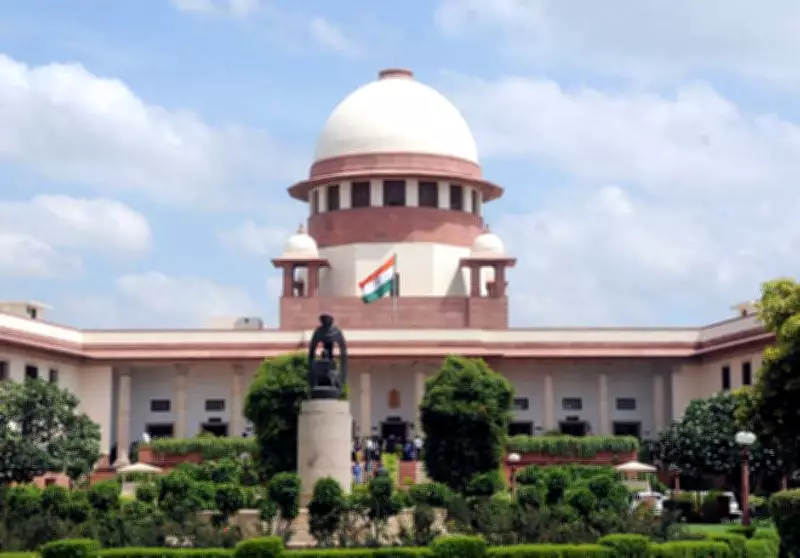
Supreme Court Declines to Hear Army Veteran's Challenge to Pay Fixation Rules
The Supreme Court of India has made a significant decision by refusing to entertain a plea filed by an army veteran that sought to challenge the current pay fixation rules applicable to military personnel. This ruling underscores the judiciary's stance on its limited role in interfering with policy matters set by the government.
Details of the Veteran's Plea
The plea was brought forward by an army veteran who argued that the existing pay fixation rules are unjust and do not adequately compensate service members for their years of dedication and sacrifice. The veteran contended that these rules lead to disparities in pension and other benefits, affecting the financial security of retired military personnel.
In his submission, the veteran highlighted specific clauses within the pay fixation framework that he believes are discriminatory. He pointed out that the rules fail to account for inflation and the rising cost of living, thereby diminishing the real value of pensions over time. The plea emphasized the need for a more equitable system that recognizes the contributions of veterans to national security.

Supreme Court's Rationale for Dismissal
During the hearing, the Supreme Court bench, comprising Justices who reviewed the case, stated that it cannot intervene in matters of policy formulation. The court emphasized that pay fixation rules fall under the purview of the executive and legislative branches of government, which are responsible for drafting and implementing such regulations.
The bench further noted that while the judiciary has the power to review administrative actions for legality, it must exercise restraint when it comes to policy decisions. The court acknowledged the veteran's concerns but maintained that any changes to the pay fixation rules should be addressed through parliamentary processes or executive review rather than judicial intervention.
Implications for Military Personnel and Veterans
This dismissal has broader implications for the armed forces community. It signals that veterans seeking redressal on pay-related issues may need to pursue alternative avenues, such as:
- Engaging with government bodies: Advocating for policy changes through representations to the Ministry of Defence or relevant committees.
- Legislative action: Lobbying for amendments in Parliament to revise the pay fixation rules.
- Public awareness campaigns: Raising awareness about the financial challenges faced by veterans to garner public and political support.
Experts in military affairs have commented that this ruling highlights the ongoing tension between judicial oversight and policy autonomy. They stress the importance of ensuring that pay structures for defense personnel are periodically reviewed to maintain fairness and morale within the forces.
Background on Pay Fixation Rules
The current pay fixation rules for the Indian Army are part of a broader framework established by the government to determine salaries, pensions, and other benefits for military personnel. These rules are often revised based on recommendations from pay commissions and other expert bodies.
Historically, pay revisions have been a contentious issue, with veterans and serving personnel occasionally expressing dissatisfaction over perceived inequities. The rules aim to balance budgetary constraints with the need to provide adequate compensation for the risks and sacrifices associated with military service.
In recent years, there have been calls for comprehensive reforms to address gaps in the pay fixation system, particularly concerning pension calculations and post-retirement benefits. This Supreme Court decision may reignite debates on how best to achieve such reforms without judicial interference.
Overall, the Supreme Court's refusal to entertain the plea reinforces the principle of separation of powers in India's democratic framework. It serves as a reminder that while the judiciary plays a crucial role in upholding rights, certain policy matters remain within the domain of the elected government.