

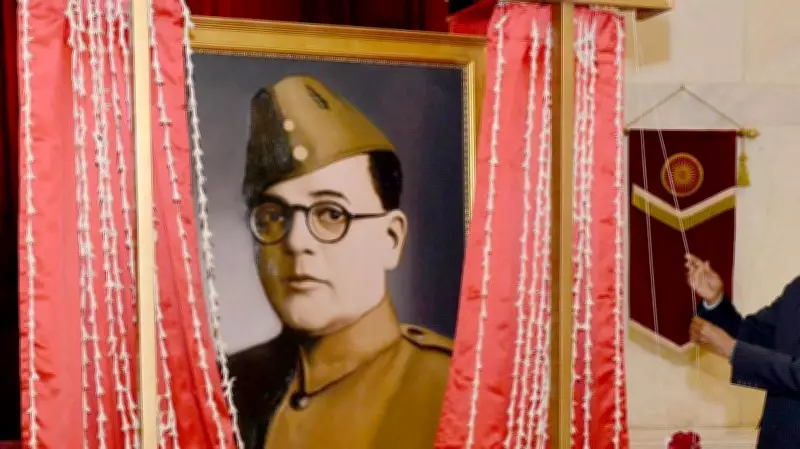
Supreme Court Rejects PIL to Declare Netaji Subhas Chandra Bose as 'National Son'
The Supreme Court of India has firmly dismissed a Public Interest Litigation (PIL) that sought to officially declare the iconic freedom fighter Netaji Subhas Chandra Bose as the 'national son' of India. In a decisive ruling, the bench, comprising Chief Justice Surya Kant and Justice Joymalya Bagchi, expressed strong disapproval of the petition, labeling it as a frivolous use of the court's valuable time.
Court's Stern Rebuke to Petitioner
During the proceedings, the bench directly addressed the petitioner, Pinakpani Mohanty, and issued a sharp rebuke for what they described as an unnecessary and time-consuming legal action. The justices emphasized that the Supreme Court's primary function is to adjudicate on substantive legal and constitutional matters, not to entertain symbolic or honorary designations that lack a clear legal basis.
The court highlighted that such petitions divert attention and resources from more pressing judicial issues, potentially delaying justice in critical cases. This stance underscores the judiciary's commitment to maintaining efficiency and focus on matters of genuine public importance.

Background and Implications of the PIL
The PIL had requested the court to formally recognize Netaji Subhas Chandra Bose, a revered leader in India's independence movement, with the title of 'national son.' While Bose's contributions to the nation are widely celebrated and honored through various memorials and historical acknowledgments, the court clarified that such honorary titles fall outside its legal purview.
This dismissal serves as a reminder of the boundaries of judicial intervention in matters of national symbolism. It reinforces the principle that while the courts play a vital role in upholding the rule of law and protecting citizens' rights, they are not the appropriate forum for bestowing honorary titles or engaging in purely ceremonial declarations.
Wider Context and Public Reaction
Netaji Subhas Chandra Bose remains a towering figure in Indian history, known for his militant approach to achieving independence from British rule. His legacy is already enshrined in the national consciousness through:
- Numerous statues and institutions named in his honor across the country.
- Annual commemorations on his birth anniversary, celebrated as Parakram Diwas.
- Extensive scholarly research and public discourse on his life and contributions.
The court's decision has sparked discussions among legal experts and the public regarding the appropriate channels for honoring historical figures. Many have supported the court's stance, arguing that such matters are better handled through legislative or executive actions, rather than judicial mandates.
This ruling also highlights the ongoing need for petitioners to ensure that their legal actions address genuine grievances or substantive issues, rather than symbolic gestures that may not align with the court's core functions. As the Supreme Court continues to navigate a heavy caseload, this case underscores the importance of prioritizing cases that have a direct impact on justice and public welfare.






