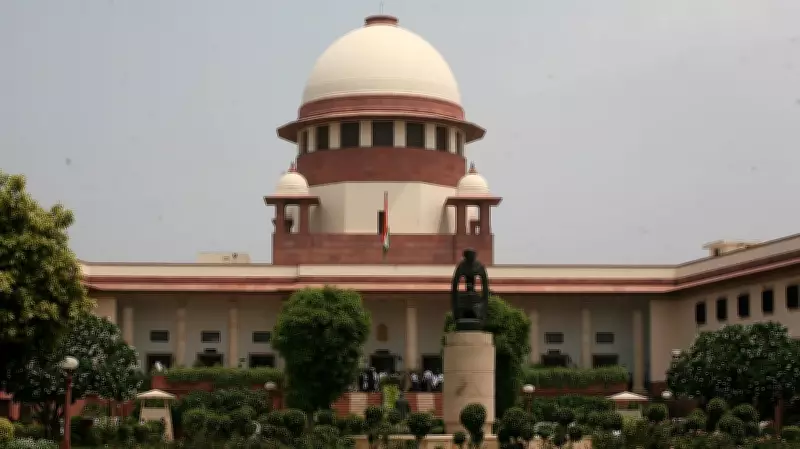
Supreme Court to Hold Final Hearing on Petitions Challenging Places of Worship Act
The Supreme Court of India has officially scheduled the final hearing for a series of petitions that challenge the constitutional validity and provisions of the Places of Worship Act, 1991. This landmark legal proceeding is poised to address critical questions regarding the preservation of religious sites as they existed on August 15, 1947.
Government's Response Awaited
In a notable development, the Union government has yet to file its formal response in this high-stakes case. The absence of the government's stance adds an element of anticipation to the judicial process, as the court prepares to examine the arguments from both petitioners and respondents.
The Places of Worship Act, enacted in 1991, mandates that the religious character of any place of worship must remain as it was on the day of India's independence. This legislation aims to prevent communal conflicts by freezing the status of religious sites.
Key Aspects of the Legal Challenge
The petitions challenging the Act raise several pivotal issues:
- Constitutional Validity: Petitioners argue that the Act may infringe upon fundamental rights, including the right to practice and propagate religion.
- Historical Context: Some claims involve disputes over the ownership and management of specific religious properties, questioning the Act's application to pre-independence events.
- Legal Interpretation: The Supreme Court will scrutinize the Act's provisions in light of contemporary legal principles and societal changes.
This hearing follows previous interim proceedings where the court sought clarifications and additional documents from involved parties. The final hearing is expected to be comprehensive, potentially spanning multiple sessions to ensure all arguments are thoroughly considered.
Broader Implications
The outcome of this case could have far-reaching consequences for India's legal and social landscape. A ruling against the Act might reopen historical disputes, while upholding it could reinforce the legislative intent to maintain communal harmony. Legal experts emphasize that the Supreme Court's decision will set a significant precedent for future cases involving religious and historical sites.
As the nation awaits the Union government's response, stakeholders from various religious and legal communities are closely monitoring developments. The final hearing represents a critical juncture in India's ongoing dialogue between law, history, and faith.