Supreme Court Warns Against Freebies Culture, Calls for Job-Focused Policies
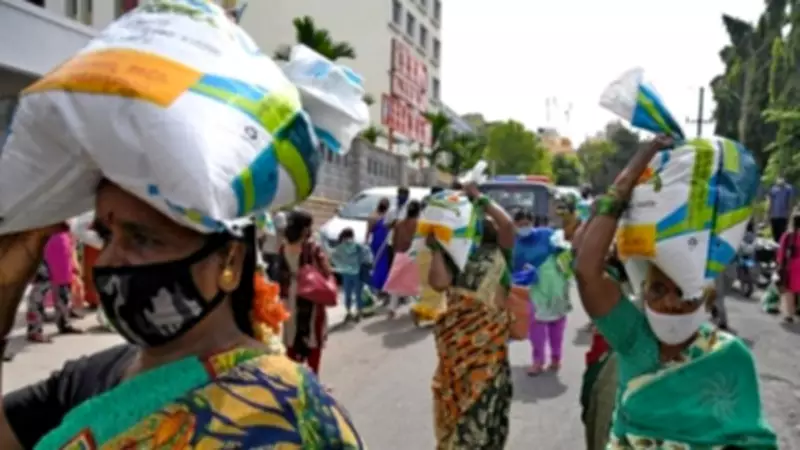
The Supreme Court of India has issued a strong critique of the prevalent 'freebies culture' in the country, emphasizing that such practices significantly hinder economic development. In a recent observation, the bench highlighted that the distribution of largesse, including free food, cycles, and electricity, diverts resources away from sustainable growth initiatives.
Economic Development Hampered by Free Goods Distribution
The court stated that the economic progress of the nation is adversely affected when states prioritize giving away free items to all citizens. This approach, according to the bench, creates a dependency cycle and fails to address the root causes of poverty and unemployment. Instead of fostering self-reliance, it may lead to fiscal burdens and reduced investment in critical infrastructure and services.
Focus Should Shift to Employment GenerationIn its directive, the Supreme Court urged state governments to reorient their policies towards creating employment opportunities. The bench suggested that opening avenues for jobs is a more effective long-term strategy than providing temporary relief through freebies. By investing in skill development, entrepreneurship, and industrial growth, states can empower citizens to achieve financial independence and contribute to the economy.
Implications for State PoliciesThis observation is expected to influence future policy decisions across India, as it underscores the need for balanced welfare measures. While social support is essential, the court advocates for a shift towards programs that enhance employability and economic participation. Legal experts note that this could lead to revised schemes that combine targeted assistance with job creation efforts.
- The Supreme Court criticizes the culture of distributing free goods as detrimental to national growth.
- States are advised to focus on generating employment instead of offering free food, cycles, and electricity.
- Economic development is hampered when resources are allocated to largesse rather than sustainable initiatives.
- This judicial input may prompt policy reforms aimed at fostering self-reliance and reducing dependency.
As the debate on welfare versus development continues, the Supreme Court's stance adds a legal dimension to discussions on fiscal responsibility and social equity. The call for job-centric approaches reflects a broader concern for India's economic resilience and the well-being of its citizens in the long run.