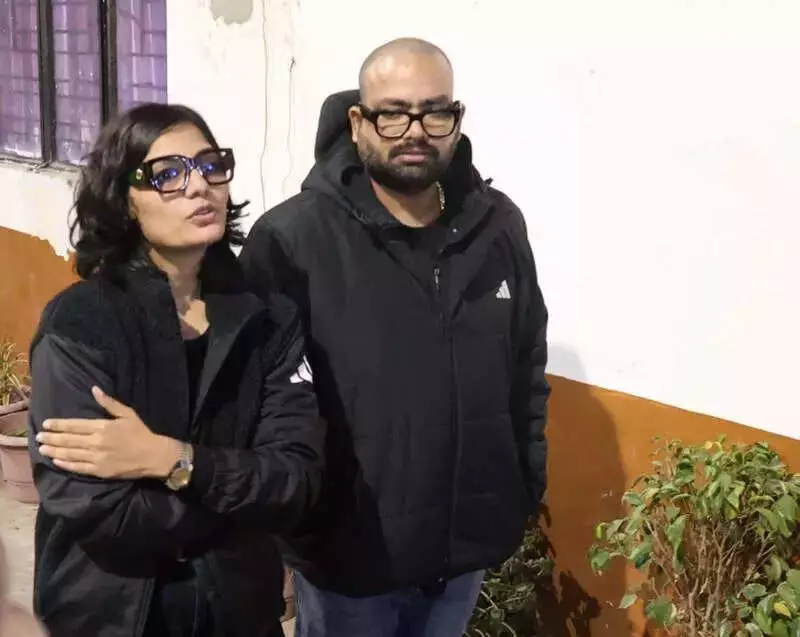
In a significant development, the Supreme Court of India has stepped in to provide interim protection from arrest to folk singer Neha Singh Rathore. This relief comes in connection with a First Information Report (FIR) filed against her for social media posts that were deemed objectionable.
The Supreme Court's Interim Order
A bench comprising Justices J K Maheshwari and Atul S Chandurkar issued the order on Wednesday. The court explicitly directed that no coercive steps shall be taken against Rathore. This interim protection is effective while the Supreme Court examines her plea, which challenges an Allahabad High Court order that had denied her anticipatory bail.
However, the bench attached a crucial condition to this relief. It directed Neha Singh Rathore to appear before the investigating officer whenever she is called. The court made it clear that any failure to comply with this directive would be viewed very seriously and could jeopardize the protection granted to her.

Details of the FIR and Allegations
The case against the folk singer originates from an FIR registered at the Hazratganj police station in Lucknow on April 27. The police complaint accused Rathore of creating and sharing content on social media platforms that targeted a specific religious community. Furthermore, the FIR alleged that her posts threatened the unity and integrity of the nation.
The investigation into this matter is currently ongoing. The authorities have invoked several sections of the Bharatiya Nyaya Sanhita (BNS) against her. The key charges mentioned in the plea include:
- Promoting enmity between different groups (communal hatred).
- Acts intended to disturb public peace.
- Endangering the sovereignty, unity, and integrity of India.
The controversial posts were related to Prime Minister Narendra Modi and last year's Pahalgam terror attack.
Singer's Defense and Legal Path Ahead
In her petition to the Supreme Court, Neha Singh Rathore has contended that she has been wrongfully implicated in the case. She argues that the charges levied against her are not justified by the facts or her actions.
By issuing notice on her plea, the Supreme Court has formally taken up the matter for consideration. The interim order provides her temporary respite, but the final outcome hinges on the court's subsequent hearings. The legal battle now centers on whether the High Court was correct in refusing her anticipatory bail and on the interpretation of her social media posts within the framework of the law.
This case highlights the ongoing legal debates surrounding freedom of expression, the reach of laws on communal harmony, and the use of stringent legal provisions against individuals for their online statements.