

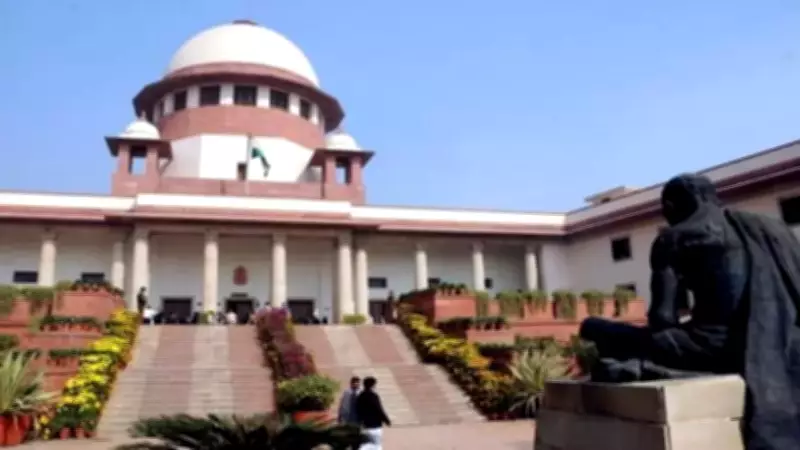
Supreme Court Takes Suo Motu Action Against Illegal Mining in Chambal Sanctuary
In a significant environmental intervention, the Supreme Court of India has taken suo motu cognisance of the rampant destruction of wildlife habitats within the National Chambal Sanctuary. On Friday, a bench comprising Justices Vikram Nath and Sandeep Mehta issued formal notices to the state governments of Rajasthan, Madhya Pradesh, and Uttar Pradesh, demanding accountability for the ecological damage.
Court Holds Officials Vicariously Liable for Inaction
The bench expressed grave concern over the extensive damage inflicted upon the sanctuary, primarily due to unchecked illegal sand mining activities. In a strongly worded observation, the justices stated that officials from key departments—including forest, mining, water resources, and police authorities across the three states—must be held vicariously liable for their failure to prevent the destruction.
The court explicitly noted that the lethargy and inaction of these officials have effectively aided and abetted the devastation of precious wildlife habitats. By allowing illegal sand mining to persist unchecked, they have contributed directly to the degradation of this critical ecological zone.

Comprehensive Examination Ordered
Emphasising the need for a thorough investigation, the bench declared that all aspects of the situation must be meticulously examined. The Supreme Court's proactive stance underscores the urgency of addressing environmental violations that threaten biodiversity and ecosystem stability.
The National Chambal Sanctuary, spanning parts of Rajasthan, Madhya Pradesh, and Uttar Pradesh, is a vital habitat for numerous endangered species, including the gharial, river dolphin, and various migratory birds. Illegal sand mining not only disrupts these habitats but also leads to soil erosion, water pollution, and long-term ecological imbalance.
This judicial move highlights the growing emphasis on holding governmental authorities accountable for environmental protection. The Supreme Court's intervention signals a robust approach to enforcing conservation laws and ensuring that officials fulfil their statutory duties to safeguard natural resources.






