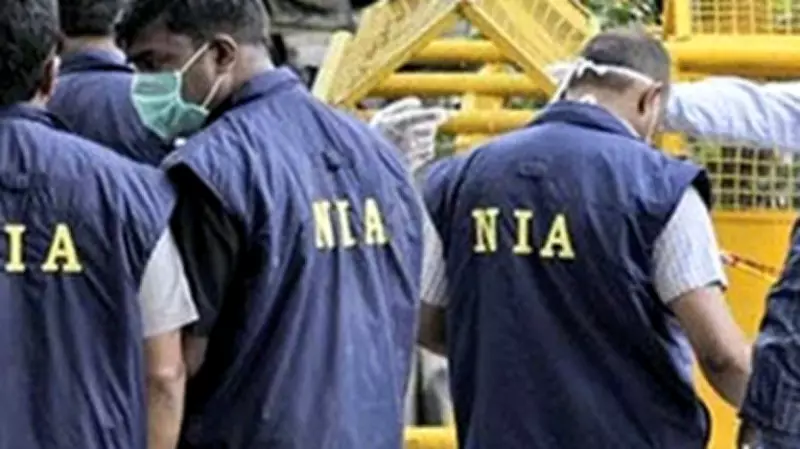
Supreme Court Questions NIA's Investigation into West Bengal Violence
The Supreme Court of India has raised significant questions regarding the National Investigation Agency's (NIA) probe into incidents of violence in West Bengal. In a notable observation, the apex court emphasized that not every emotional outburst or public disturbance can be automatically classified as a direct threat to the nation's economic security.
Judicial Scrutiny of the Probe's Basis
During the proceedings, the bench engaged in a detailed examination of the rationale behind the NIA's investigation. The court highlighted the need for a clear and substantial link between the alleged unlawful activities and their potential impact on economic stability before invoking stringent legal provisions.
Additional Solicitor General S V Raju, representing the NIA, presented arguments defending the agency's actions. He contended that there exists a strong and credible basis for the probe, citing specific evidence and intelligence inputs that warranted the investigation under the Unlawful Activities (Prevention) Act (UAPA).

Context of the West Bengal Violence
The case pertains to a series of violent incidents reported in West Bengal, which prompted the NIA to initiate an inquiry. The agency's involvement typically signals the handling of matters perceived as having national security implications, including those potentially affecting economic interests.
The Supreme Court's remarks underscore a judicial effort to balance security concerns with civil liberties. By questioning the broad application of economic security threats, the court aims to ensure that investigative powers are exercised with precision and proportionality.
Legal and Policy Implications
This development carries important implications for law enforcement and policy-making in India. It may influence how agencies like the NIA approach cases involving public unrest, requiring them to demonstrate a tangible connection to national economic security rather than relying on general assumptions.
The court's stance also reflects ongoing debates about the scope and application of laws like the UAPA, which are designed to combat terrorism and unlawful activities but must be implemented judiciously to avoid overreach.
As the legal proceedings continue, stakeholders including government bodies, legal experts, and civil society will closely monitor the outcomes. The Supreme Court's final decision could set a precedent for future cases involving similar allegations and investigative approaches.
This case highlights the delicate interplay between maintaining national security and upholding constitutional rights, a balance that remains a central challenge in India's democratic framework.