PIL in Supreme Court Advocates for Display Boards at Police Stations on Penalties for False Complaints
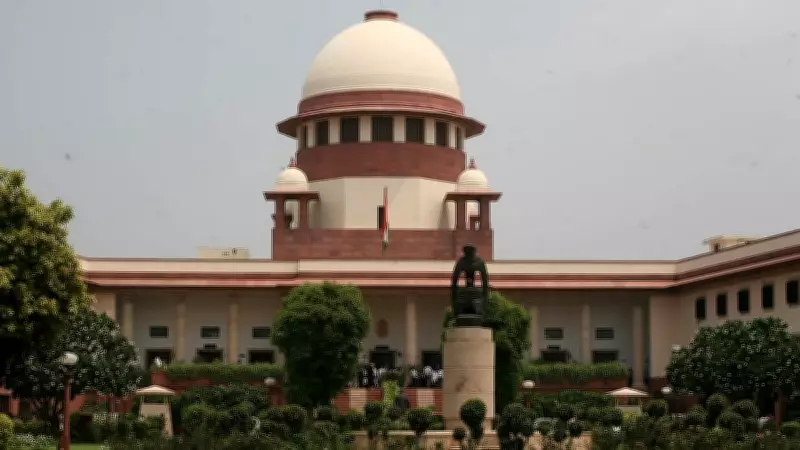
A significant Public Interest Litigation (PIL) has been filed in the Supreme Court of India, urging the implementation of mandatory display boards at all police stations across the nation. These boards would explicitly outline the legal punishments and consequences for filing false complaints, charges, or submitting fabricated evidence against innocent individuals.
Key Arguments in the Plea
The petition, submitted by advocate Ashwini Kumar Upadhyay, emphasizes that the act of lodging false complaints poses a severe threat to fundamental constitutional rights. It argues that such malicious actions directly undermine the Right to Life, Liberty, and Dignity guaranteed under Article 21 of the Indian Constitution. Furthermore, the plea highlights that these practices erode the Rule of Law, creating an environment of fear and injustice for citizens.
The core contention is that without clear deterrents, false accusations can lead to wrongful arrests, harassment, and prolonged legal battles for innocent people. By installing informative boards, the PIL aims to educate the public about the serious legal repercussions, thereby discouraging frivolous or malicious filings and promoting accountability within the justice system.

Broader Implications for Governance and Law Enforcement
This initiative seeks to address a critical gap in public awareness and police station protocols. Currently, many citizens may not fully comprehend the legal penalties associated with false reporting, which can range from fines to imprisonment under various sections of the Indian Penal Code. The proposed display boards would serve as a constant reminder, potentially reducing the incidence of such complaints and alleviating the burden on law enforcement agencies.
Legal experts suggest that this move could enhance transparency and trust in policing, as it underscores the commitment to protecting innocent individuals from baseless allegations. It aligns with ongoing efforts to reform the criminal justice system and ensure that police stations function as spaces of justice rather than instruments of misuse.
Next Steps and Potential Outcomes
The Supreme Court is expected to review the PIL in the coming weeks, considering its merits and the feasibility of nationwide implementation. If accepted, this could lead to directives for central and state governments to mandate such displays, possibly involving collaborations with legal authorities and police departments.
In summary, this PIL represents a proactive step towards safeguarding citizen rights and reinforcing the rule of law through visible, educational measures at police stations. It underscores the importance of deterring false complaints to maintain the integrity of India's legal framework and ensure justice for all.