

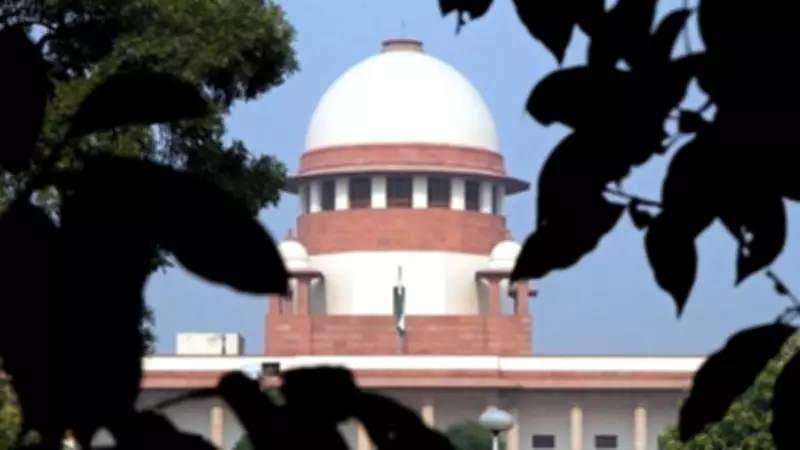
Supreme Court Quashes SC/ST Act Charges Against VYAPAM Whistleblower
In a significant legal development, the Supreme Court of India has quashed charges filed under the Scheduled Castes and Scheduled Tribes (Prevention of Atrocities) Act against a whistleblower involved in the VYAPAM scandal. The ruling brings closure to a case that stemmed from an incident in 2022.
Details of the 2022 Incident
The case originated from an event held on November 15, 2022, at village Dharad in the Ratlam district of Madhya Pradesh. The incident occurred during a programme organised to commemorate Birsa Munda Jayanti, which included the unveiling of a statue of Bhagwan Birsa Munda.
During this event, allegations were made against the whistleblower, leading to the filing of charges under the SC/ST Act. The whistleblower had previously exposed irregularities in the VYAPAM (Vyavsayik Pariksha Mandal) recruitment and admissions scandal in Madhya Pradesh, gaining national attention for their role in uncovering corruption.

Supreme Court's Ruling and Implications
The Supreme Court's decision to quash the charges marks a pivotal moment in this legal battle. By dismissing the case, the court has effectively cleared the whistleblower of the allegations under the SC/ST Act, which is designed to protect marginalized communities from discrimination and atrocities.
This ruling underscores the judiciary's role in safeguarding individuals who expose wrongdoing, even as it balances the need to prevent misuse of laws intended for social justice. The case highlights the complex interplay between whistleblower protection and the enforcement of anti-atrocity legislation in India.
Key aspects of the ruling include:
- Quashing of all charges under the SC/ST Act against the VYAPAM whistleblower.
- Recognition of the incident's context during the Birsa Munda Jayanti celebrations in Ratlam district.
- Implications for future cases involving whistleblowers and legal protections under similar acts.
The Supreme Court's intervention in this matter is expected to set a precedent for how similar cases are handled, particularly those involving individuals who have played crucial roles in exposing corruption or malpractice in public systems.






