Supreme Court Declines to Intervene in Parole Extension Denial Case
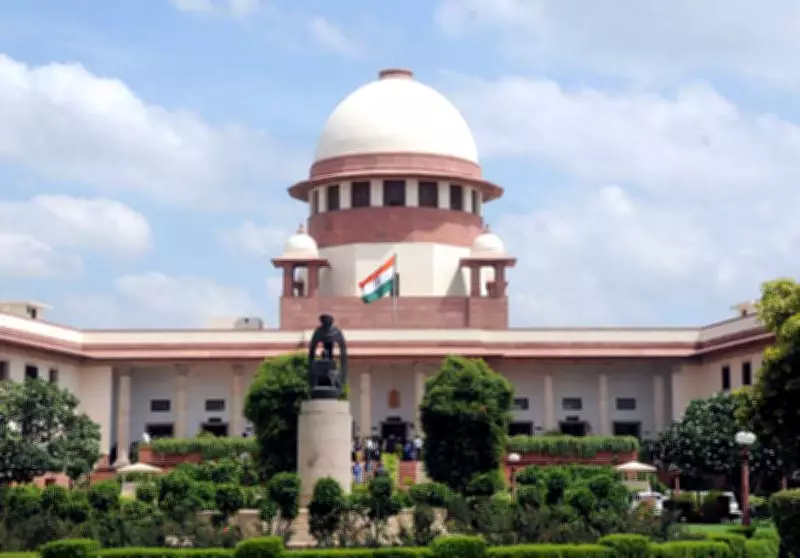
The Supreme Court of India has firmly refused to hear a plea that contested the denial of an extension of parole for a convict, thereby reinforcing the authority of the lower court's ruling. This decision underscores the judiciary's commitment to adhering to established legal protocols and procedures in matters of parole and convict rehabilitation.
Details of the Legal Petition
The petition was filed by the convict, who sought judicial intervention after the authorities rejected his request for an extended parole period. Parole, a temporary release from prison granted under specific conditions, is typically approved based on factors such as good behavior, family emergencies, or health issues. In this instance, the convict argued that the denial was unjust and violated his rights, prompting him to approach the highest court for redress.
However, the Supreme Court, after reviewing the case, found no merit in the plea and chose not to entertain it. The bench emphasized that the lower court had already examined the circumstances thoroughly and made a reasoned decision. By refusing to hear the appeal, the Supreme Court has effectively upheld the original verdict, signaling that such matters should be resolved at the appropriate judicial levels unless there are exceptional grounds for intervention.

Implications for Parole Policies and Convict Rights
This ruling has significant implications for the parole system in India. It highlights the importance of following due process and the discretionary powers of courts in parole decisions. The Supreme Court's stance suggests that convicts must exhaust all legal avenues at lower levels before seeking relief from the apex court, unless there is a clear miscarriage of justice or constitutional issue involved.
Moreover, the case brings attention to the broader context of convict rehabilitation and reintegration into society. Parole is often seen as a tool to facilitate this process, but it must be balanced with public safety and legal standards. The denial of extension in this instance may reflect concerns over the convict's conduct or the specifics of his case, though the court did not elaborate publicly on these details.
Legal experts note that such decisions reinforce the principle of judicial hierarchy and the need for convicts to present compelling evidence to overturn parole denials. It also serves as a reminder that the Supreme Court's role is not to re-evaluate every lower court decision but to address substantial legal questions and constitutional matters.
Conclusion and Future Outlook
In summary, the Supreme Court's refusal to hear the plea against the denial of parole extension for a convict marks a pivotal moment in Indian jurisprudence. It affirms the lower court's authority and stresses the importance of procedural correctness in parole cases. As the legal landscape evolves, this ruling may influence future petitions and policies related to convict rights and parole administration, ensuring that justice is administered fairly and efficiently across all levels of the judiciary.