Supreme Court Declines to Mandate Minimum Wages for Domestic Workers
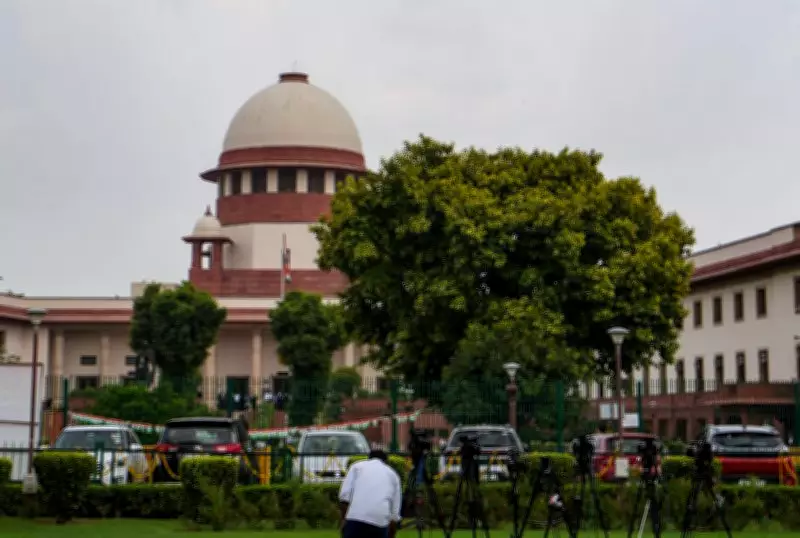
The Supreme Court of India has refused to issue directions for the enforcement of minimum wages for domestic workers, emphasizing that such matters fall within the domain of the legislature and executive. This decision came in response to a petition seeking judicial intervention to ensure fair compensation for domestic workers across the country.
Court's Stance on Policy Matters
In its ruling, the Supreme Court clarified that setting and enforcing minimum wages is primarily a policy issue that should be addressed by the government and Parliament. The court noted that while it recognizes the importance of protecting the rights of domestic workers, it cannot overstep its constitutional boundaries by directing such enforcement. This stance underscores the judiciary's role in interpreting laws rather than creating them.
Implications for Domestic Workers
Domestic workers, who form a significant part of India's informal economy, often face challenges related to low wages and lack of legal protections. The court's refusal to intervene means that any changes to wage enforcement will depend on legislative action. Advocates for workers' rights have expressed concern, highlighting the need for stronger legal frameworks to safeguard this vulnerable group.

Background of the Petition
The petition was filed by a group seeking judicial orders to enforce minimum wages for domestic workers, arguing that existing laws are insufficient. Despite the court's decision, the issue has brought attention to the ongoing struggles of domestic workers and the gaps in current labor policies. This ruling may prompt further discussions among policymakers and stakeholders.
Future Outlook
While the Supreme Court has stepped back from direct intervention, it has left the door open for legislative reforms. The decision reinforces the principle of separation of powers, urging the executive and legislature to take proactive steps. As debates continue, the focus remains on finding sustainable solutions to improve the working conditions and wages of domestic workers in India.