

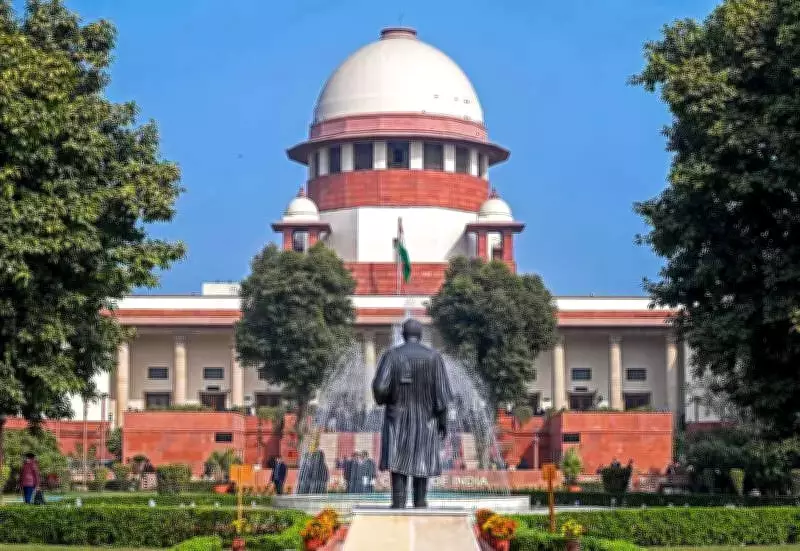
Supreme Court Denies Regular Bail to Muppidi Avinash Reddy in AP Liquor Scam Case
In a significant development, the Supreme Court of India has declined to grant regular bail to Muppidi Avinash Reddy, a key accused in the alleged Andhra Pradesh liquor scam case. The decision was delivered on Thursday, with the apex court emphasizing that investigative agencies retain the authority to seek custody of an accused even after the filing of a charge sheet, and courts can permit such custody.
Background of the Case
Avinash Reddy had been evading arrest following the apprehension of the main accused, Raj Kasireddy, in connection with the scam. He filed multiple anticipatory bail petitions across various judicial levels, from the trial court to the Supreme Court, but all were rejected due to the serious nature of the allegations. Previously, the Supreme Court had directed him to surrender before the investigating officer, which he complied with.
Court Proceedings and Arguments
During the recent hearing, Avinash Reddy's legal counsel argued for the grant of regular bail, citing his surrender and the fact that the charge sheet had already been filed. They proposed imposing strict conditions to ensure his cooperation. However, senior counsel Siddharth Luthra opposed this plea, highlighting that the investigating agency had filed a custody petition before the trial court, which remains pending for consideration.

The Supreme Court bench, led by Chief Justice Surya Kant and including Justices Joymalya Bagchi and Vipul Pancholi, carefully evaluated the arguments from both sides. The bench noted the gravity of the case and the ongoing custody petition, which could impact the investigation's progress.
Court's Ruling and Future Steps
After deliberation, the bench rejected the plea for regular bail. The court underscored that the right to seek custody persists post-charge sheet filing, and such requests must be duly considered to uphold justice. The matter has been scheduled for further hearing after the trial court delivers its decision on the pending custody petition, ensuring a thorough judicial process.
This ruling reinforces the judiciary's commitment to addressing complex financial crimes and maintaining the integrity of legal proceedings in high-profile cases like the AP liquor scam.






