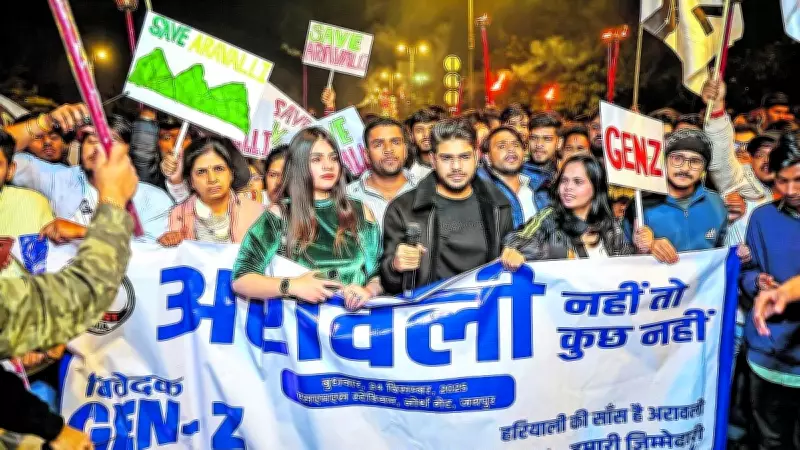
Supreme Court Halts Haryana's Zoo Safari Project in Aravalli Hills
In a significant environmental ruling, the Supreme Court of India has firmly rejected Haryana's proposal for a Zoo Safari plan in the Aravalli hills. The top court declared that it will not permit any development that could harm this ecologically sensitive region, underscoring a holistic approach to conservation.
Court's Emphasis on Holistic Protection
The Supreme Court emphasized that the Aravalli range must be viewed as a complete and integrated ecosystem. "We will not allow anyone to touch Aravalli," the court stated, highlighting its intent to consider all aspects of the range comprehensively. This decision reflects a broader judicial stance on safeguarding natural habitats from potentially disruptive projects.
The court's refusal to grant approval for the Zoo Safari plan is based on concerns over environmental degradation and biodiversity loss. By taking a "holistic view depending on all aspects of the Aravali as a composite range," the judiciary aims to prevent piecemeal development that could undermine the ecological integrity of the hills.

Implications for Haryana and Environmental Policy
This ruling has immediate implications for Haryana's tourism and development initiatives, as the state must now seek alternative sites or modify its plans to align with conservation goals. The decision also sets a precedent for other regions, reinforcing the importance of environmental assessments in project approvals.
Key points from the court's stance include:
- Protection of the Aravalli range as a unified ecological entity.
- Rejection of projects that pose risks to biodiversity and natural resources.
- A commitment to sustainable development practices in sensitive areas.
As India continues to balance growth with environmental stewardship, this Supreme Court order serves as a reminder of the legal safeguards in place to protect vital ecosystems like the Aravalli hills.