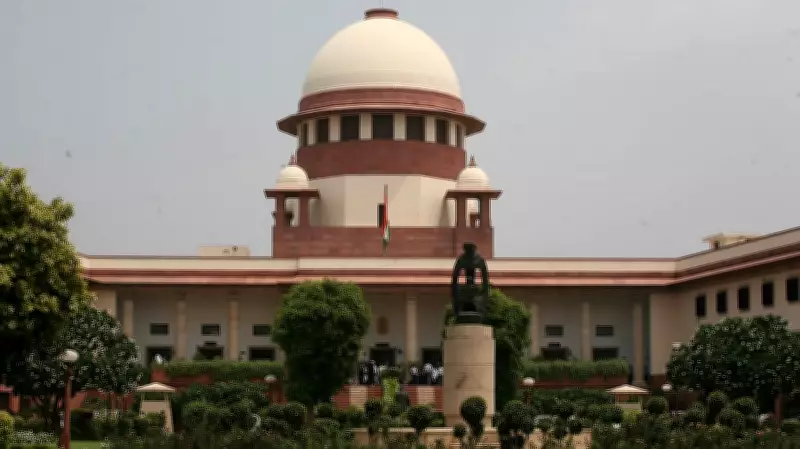
Supreme Court Declines to Order Publication of Opposition Leader's Dissent on CIC Appointments
In a significant ruling, the Supreme Court of India has refused to issue a directive for the disclosure of the dissent note submitted by the Leader of the Opposition (LOP) concerning appointments to the Central Information Commission (CIC). The court was adjudicating a petition filed by prominent Right to Information (RTI) activist, Anjali Bharadwaj, who sought a judicial order mandating the publication of the LOP's dissenting views.
Petition Seeks Greater Transparency in Appointment Process
The petition, spearheaded by Anjali Bharadwaj, argued that publishing the dissent of the Leader of the Opposition is crucial for ensuring transparency and accountability in the appointment of members to the Central Information Commission. The CIC plays a pivotal role in upholding the Right to Information Act, which is fundamental to democratic governance in India. Bharadwaj contended that making the LOP's dissent public would allow citizens to scrutinize the appointment process more effectively, thereby fostering greater public trust in the institution.
Court's Decision Upholds Current Confidentiality Protocols
However, the Supreme Court, after hearing the arguments, declined to grant the requested direction. The court's decision effectively upholds the existing confidentiality protocols surrounding the appointment process for the Central Information Commission. This ruling implies that the dissent notes of the Leader of the Opposition will remain internal documents, not subject to public disclosure under the current legal framework. The court did not provide detailed reasoning in its immediate order, but the refusal signals a judicial stance that may prioritize procedural confidentiality over expanded transparency in this specific context.

Implications for RTI and Governance in India
This ruling has broader implications for the Right to Information regime and governance practices in India. On one hand, it may be seen as a setback for transparency advocates who argue that dissenting opinions in such appointments should be accessible to prevent potential biases or irregularities. On the other hand, it reinforces the legal boundaries of confidentiality in governmental appointment processes. The decision comes amid ongoing debates about the effectiveness of the CIC and the need for robust mechanisms to ensure its independence and integrity. As India continues to navigate the balance between transparency and operational secrecy, this Supreme Court ruling sets a precedent that could influence future cases related to information disclosure and public accountability.