Supreme Court Intervenes to Protect Tribal Christian Burial Rights in Chhattisgarh
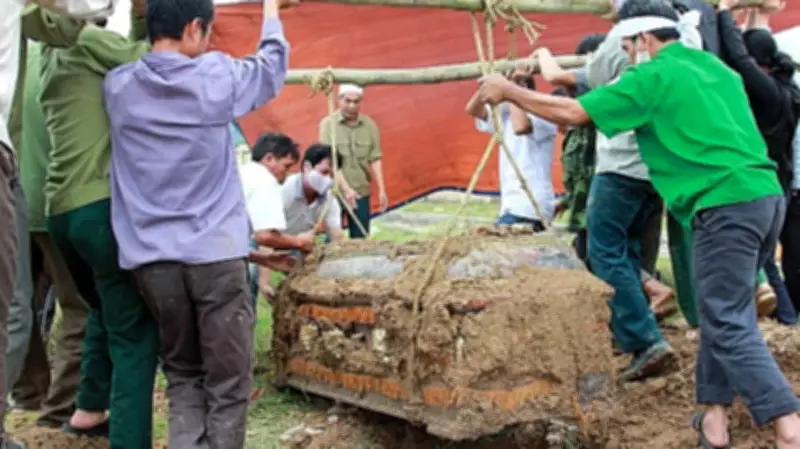
In a significant legal development, the Supreme Court of India has issued a restraining order to halt the exhumation of bodies belonging to tribal Christians in various villages across Chhattisgarh. This judicial intervention comes in response to a plea that raises critical questions about religious freedom and equal rights in burial practices.
Court Order Prevents Disturbance of Graves
The Supreme Court's directive effectively stops any further exhumation activities targeting the deceased members of tribal Christian communities in Chhattisgarh. This decision aims to preserve the dignity of the departed and respect the religious sentiments of their families and communities.
The legal petition that prompted this action goes beyond just stopping exhumations. It seeks a broader declaration from the court that would establish fundamental burial rights for all Indian citizens. Specifically, the plea requests the court to affirm that every person, irrespective of their caste, religion, or social classification such as SC, ST, or OBC status, should be permitted to bury their deceased loved ones in the village where they reside.

Broader Implications for Equality and Religious Freedom
This case touches upon several constitutional principles, including the right to equality before the law and freedom of religion. The plea argues that denying burial rights based on social or religious identity violates these fundamental rights guaranteed by the Indian Constitution.
The Supreme Court's intervention at this stage suggests the judiciary recognizes the seriousness of these allegations. By restraining the exhumations, the court has provided temporary relief while the broader legal questions are examined more thoroughly.
Context and Background of the Dispute
While the court documents don't specify all details of what led to the exhumations, such actions typically occur in contexts where there are disputes over burial grounds or objections to certain communities using particular spaces for interment. The fact that this involves tribal Christians in Chhattisgarh highlights potential intersections of religious, ethnic, and social tensions.
The case raises important questions about:
- Equal access to burial grounds regardless of community identity
- Protection of minority religious practices
- Prevention of discrimination in death rituals
- Legal remedies for communities facing burial restrictions
Next Steps in the Legal Process
With the exhumations now restrained by the Supreme Court's order, the case will proceed through the judicial system. The petitioners will have the opportunity to present their arguments for why all persons should have equal burial rights, while respondents will be able to present counter-arguments.
The outcome of this case could establish important precedents regarding religious freedom and anti-discrimination protections in matters of burial and funeral practices across India. It represents a test case for how Indian law balances traditional practices, community rights, and individual freedoms in sensitive matters of death and mourning.
As the legal proceedings continue, the Supreme Court's initial intervention has already provided significant protection to tribal Christian communities in Chhattisgarh, ensuring their deceased can rest undisturbed while larger questions of equality and religious freedom are judicially examined.