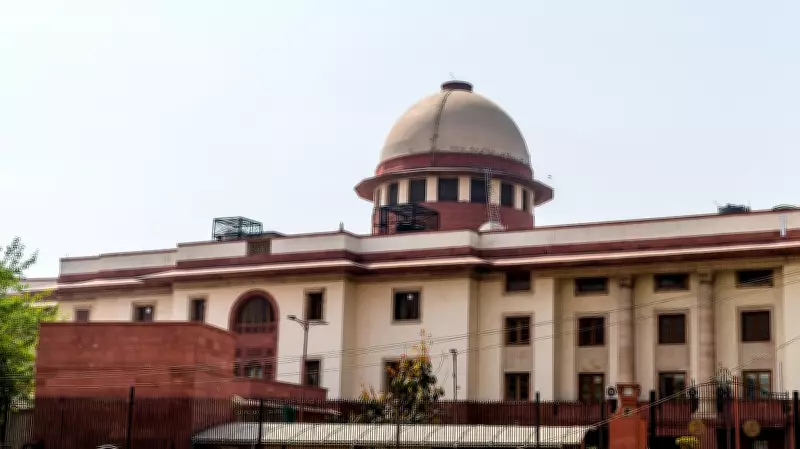
Supreme Court Directs Attorney General to Review PIL on Racial Violence
The Supreme Court of India has taken a significant step in addressing racial violence by asking the Attorney General to consider a Public Interest Litigation (PIL) on the matter. This move underscores the judiciary's commitment to combating discrimination and promoting social harmony in the country.
Court's Strong Stance Against Discrimination
During the proceedings, the bench of the Supreme Court delivered a powerful statement, emphasizing that identifying persons on the basis of race, region, sex, and caste represents a regressive path. The court highlighted that after decades of independence, such discriminatory practices are unacceptable and hinder India's development as a progressive nation.
The bench further elaborated that treading such a path would undermine the foundational principles of equality and justice enshrined in the Constitution. This directive to the Attorney General aims to ensure a thorough legal examination of the PIL, which seeks to address incidents of racial violence and promote stricter enforcement of anti-discrimination laws.
Background and Implications of the PIL
The PIL, filed by concerned citizens, brings to light various cases of racial violence across India, urging the court to intervene and provide remedies. Key aspects of the plea include:
- Calling for enhanced legal protections against racial discrimination.
- Seeking accountability for perpetrators of racial violence.
- Advocating for public awareness campaigns to foster inclusivity.
By involving the Attorney General, the Supreme Court ensures that the government's highest legal officer reviews the plea, potentially leading to policy changes or legislative actions. This step is crucial as it aligns with India's efforts to uphold human rights and social justice in line with global standards.
Next Steps and Broader Context
The Attorney General is expected to submit a detailed report or recommendations based on the PIL, which could influence future court rulings or government initiatives. This case is part of a larger trend where the judiciary actively addresses social issues, reflecting its role in safeguarding democratic values.
In recent years, incidents of racial and caste-based violence have sparked national debates, making this PIL timely and relevant. The Supreme Court's intervention highlights the urgent need to combat discrimination and build a more equitable society for all citizens.