Supreme Court Takes Strong Stance on Delayed DGP Appointments
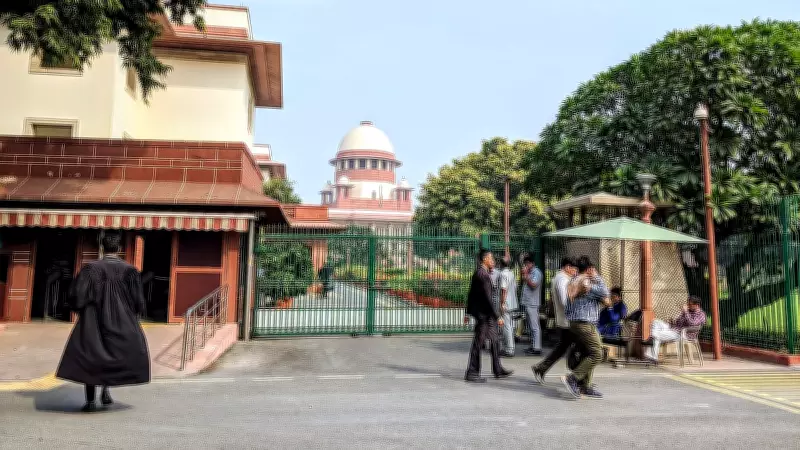
In a significant ruling aimed at streamlining police administration across India, the Supreme Court has voiced its strong disapproval regarding the persistent delays in the appointment of Directors General of Police (DGPs) by various state governments. The apex court's intervention underscores its commitment to ensuring that key law enforcement positions are filled promptly and through a transparent process, thereby upholding the integrity of police leadership.
Empowering UPSC to Flag Concerns
The court has explicitly authorized the Union Public Service Commission (UPSC) to actively monitor and flag any concerns or irregularities in the DGP appointment processes. This move is designed to introduce an additional layer of scrutiny and accountability, ensuring that states adhere to established guidelines and timelines. By empowering the UPSC, the Supreme Court aims to prevent undue delays and potential political interference, which have often marred such appointments in the past.
Addressing Systemic Delays and Ensuring Compliance
Historically, many states have faced criticism for postponing DGP appointments, sometimes leading to extended vacancies or ad-hoc arrangements that can undermine police efficiency and morale. The Supreme Court's directive seeks to address these systemic issues by mandating strict compliance with appointment protocols. The court emphasized that timely appointments are crucial for maintaining law and order, as DGPs play a pivotal role in shaping police strategies and public safety initiatives.

Key aspects of the ruling include:
- Enhanced oversight by the UPSC to review and report on appointment delays.
- A call for states to expedite the selection process without compromising on merit and transparency.
- Reinforcement of previous court directives on police reforms to ensure a consistent and fair approach.
Implications for State Governments and Police Reforms
This ruling is expected to have far-reaching implications for state governments, compelling them to prioritize DGP appointments and align with national standards for police administration. It also highlights the Supreme Court's ongoing efforts to drive police reforms across India, focusing on accountability, efficiency, and independence in law enforcement. By setting a precedent for timely action, the court aims to foster a more responsive and professional police force, ultimately benefiting public trust and safety.
In summary, the Supreme Court's disapproval of delays in DGP appointments and its authorization of the UPSC to flag concerns mark a critical step towards strengthening India's policing framework. This decision reinforces the judiciary's role in safeguarding administrative processes and promoting good governance in law enforcement.