

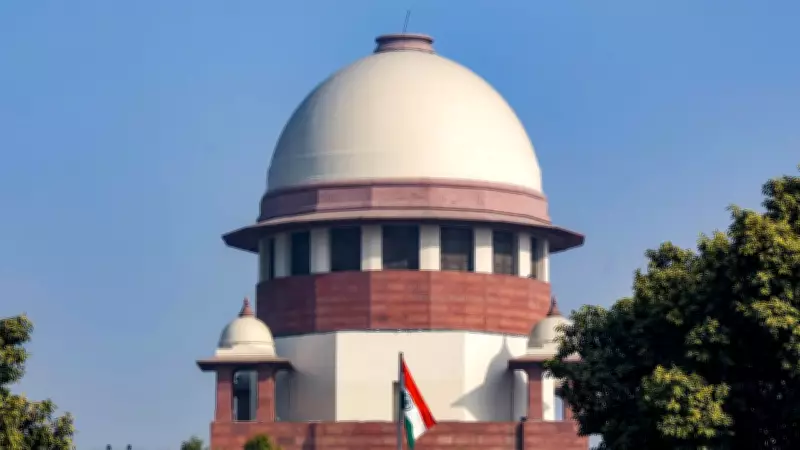
The Supreme Court has issued a significant directive to all courts, urging them to consider granting bail to accused individuals when there is an inordinate delay in the trial process. This principle applies irrespective of the gravity of the offence, as the right to a speedy trial is a fundamental right guaranteed under the Constitution. The observation came from a bench comprising Justices J B Pardiwala and Vijay Bishnoi, who were hearing a bail plea filed by a murder accused.
Bail Granted to Murder Accused After Four Years
The bench granted bail to the petitioner, who had been charged with murder, on the specific ground that the trial had not progressed meaningfully. The court noted that the accused had been in judicial custody for nearly four years, yet not a single witness had been examined during the trial. The justices emphasized that despite the serious nature of the charge, the infringement of the right to a speedy trial must compel the court to consider bail appropriately.
“We are mindful of the fact that the petitioner is charged with the offence of murder, but time and again, we have said howsoever serious the crime may be, if the right of speedy trial is infringed, then the court must consider the plea for bail appropriately. Here is a case wherein past almost four years, the petitioner is in jail, but not a single witness has been examined,” the bench remarked.

Court Orders Immediate Release
The Supreme Court ordered the release of the petitioner on bail forthwith, subject to the condition that he is not required in any other case. The trial court has been authorized to impose appropriate terms and conditions. The bench stated, “We order that the petitioner be released on bail forthwith, if not required in any other case, subject to terms and conditions that the trial court may deem fit to impose.”
This ruling comes in the backdrop of the Supreme Court recently expressing shock over an undertrial who had been languishing in jail for nine years while the trial was still underway. The apex court has consistently highlighted the need to expedite trials and protect the fundamental rights of undertrials, especially when delays are not attributable to the accused.
Legal experts view this as a strong message to lower courts to prioritize the right to a speedy trial, even in cases involving heinous offences. The judgment reinforces the constitutional guarantee that justice delayed is justice denied.






