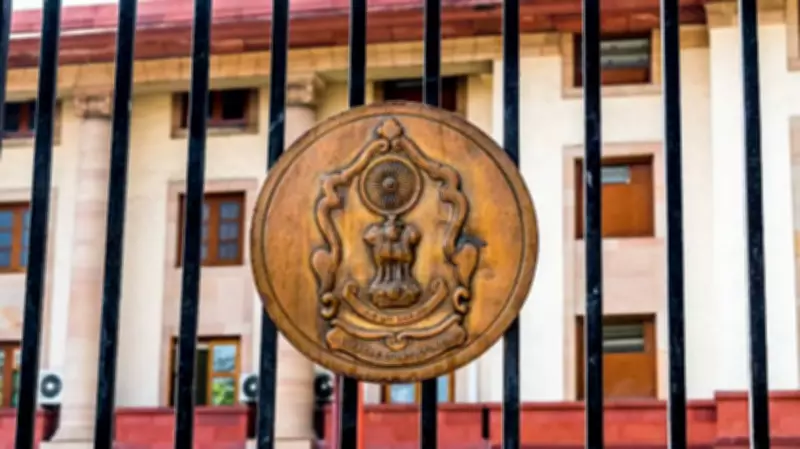
Supreme Court Issues Stay on Delhi High Court Order Regarding Tamil Nadu Waqf Board
In a significant legal development, the Supreme Court of India has granted a stay on an order issued by the Delhi High Court that had imposed limitations on the powers of the Tamil Nadu Waqf Board. This interim relief provides a temporary reprieve for the board, allowing it to continue its operations without the immediate constraints imposed by the lower court's ruling.
Court's Observations on Legal Compliance
However, the Supreme Court bench, while issuing the stay, made a critical observation regarding the constitution of the Tamil Nadu Waqf Board. The court noted that, based on preliminary examination, the board's constitution appears to be prima facie not in accordance with the provisions of the law. This remark highlights potential legal irregularities that may require further scrutiny and could impact future proceedings.
The court's decision to stay the Delhi High Court order suggests a careful balancing of immediate operational needs against underlying legal concerns. By halting the enforcement of the restrictions, the Supreme Court has effectively paused the implementation of the lower court's directives, pending a more thorough review of the case.
Background and Implications
The Delhi High Court's original order had sought to curtail certain authorities of the Tamil Nadu Waqf Board, likely in response to petitions or legal challenges questioning the board's actions or governance. Waqf boards in India are statutory bodies responsible for managing Islamic charitable trusts and properties, making their functioning a matter of significant public and legal interest.
The Supreme Court's intervention underscores the complex interplay between state-level administrative bodies and federal judicial oversight. This case may set precedents for how similar disputes involving religious or charitable boards are handled in the future, particularly concerning their constitutional and operational frameworks.
Legal experts anticipate that the stay will allow for a more deliberative process, where both the immediate practicalities and the foundational legal issues can be addressed comprehensively. The prima facie observation about non-compliance indicates that the Supreme Court is likely to delve deeper into the substantive aspects of the board's constitution in subsequent hearings.
This development is being closely watched by stakeholders in Tamil Nadu and beyond, as it touches upon matters of governance, religious administration, and judicial authority. The outcome could influence not only the Tamil Nadu Waqf Board but also similar institutions across the country, depending on the final rulings and the legal principles established.
As the case progresses, further details are expected to emerge regarding the specific provisions of law at issue and the steps that may be required to bring the board's constitution into compliance. For now, the stay ensures continuity in the board's functions, albeit under the shadow of ongoing legal scrutiny.