Supreme Court to Continue Hearing Plea Against Sonam Wangchuk's Detention
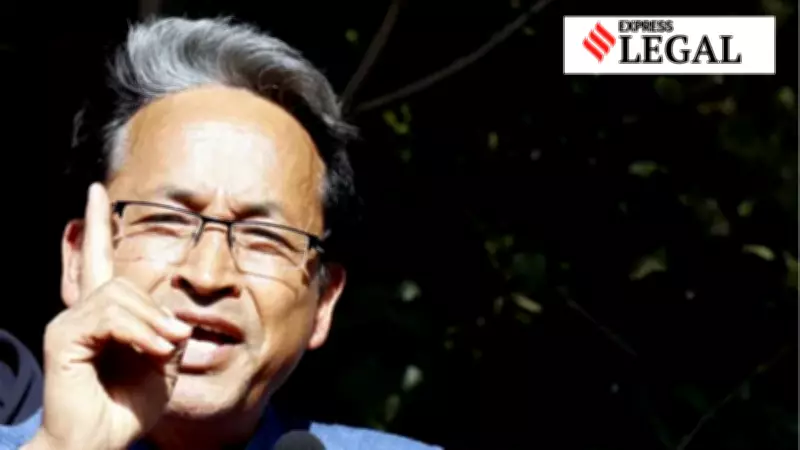
The Supreme Court is set to proceed with the hearing of a petition filed by Gitanjali J Angmo, the wife of Ladakh activist Sonam Wangchuk, challenging his detention under the National Security Act (NSA). A bench comprising Justices Aravind Kumar and P B Varale will convene today around 2 pm to deliberate on the matter.
Previous Hearing Highlights
During the session on February 11, Solicitor General of India Tushar Mehta informed the court that Wangchuk is fit, hale, and hearty, assuring the bench that there is nothing to worry regarding his health. This statement came after the court had previously inquired if the Centre might reconsider the detention, given concerns about Wangchuk's health condition.
Additional Solicitor-General KM Nataraj, representing the Centre, continued arguments on February 11, emphasizing Wangchuk's alleged objectionable statements. In response, the court remarked that the Centre appeared to be reading too much into his statements, suggesting a need for balanced scrutiny.

Background of the Case
Sonam Wangchuk was detained on September 26, 2025, under the NSA, a law that allows governments to take pre-emptive action against individuals perceived as threats to public order or national security. Following his detention, he was transferred to Jodhpur.
His arrest occurred just two days after violent protests in Ladakh, which resulted in four fatalities and 90 injuries. These demonstrations were part of demands for statehood and Sixth Schedule status for the Union territory. The government has accused Wangchuk of inciting the violence, leading to his detention under the NSA.
Legal Proceedings and Implications
The ongoing hearing underscores the legal complexities surrounding national security measures and individual rights. As the Supreme Court reviews the plea, it will assess the validity of the detention and the evidence presented by the Centre. The outcome could have significant implications for similar cases involving activists and national security laws in India.
This case highlights the delicate balance between maintaining public order and safeguarding civil liberties, with the court's decision eagerly awaited by legal experts and the public alike.