

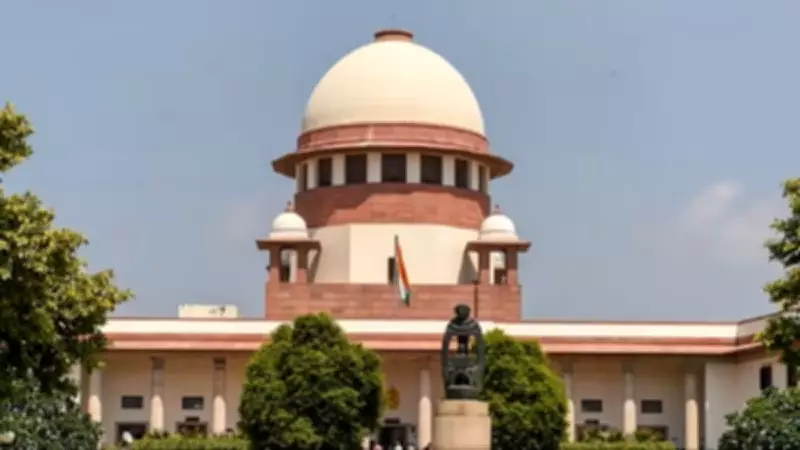
Supreme Court Agrees to Examine Centre's Challenge to IT Rules Verdict
The Supreme Court of India has taken a significant step by agreeing to review the central government's plea against the Bombay High Court's decision to strike down specific provisions of the Information Technology (IT) Rules. However, in a notable move, the apex court has declined to grant an interim stay on the High Court's verdict, allowing the current legal status to remain unchanged for now.
Background of the Legal Dispute
The controversy stems from the Bombay High Court's ruling that invalidated certain clauses within the IT Rules, which were introduced by the Centre to regulate digital content and platforms. The High Court found these provisions to be overly broad and potentially infringing on fundamental rights, leading to their striking down. In response, the Centre filed a petition with the Supreme Court, arguing that the rules are essential for maintaining online safety and national security in the digital age.
Supreme Court's Decision and Implications
During the hearing, the Supreme Court acknowledged the importance of the issues at stake and decided to admit the Centre's plea for a detailed examination. This indicates that the court recognizes the need to balance regulatory measures with constitutional safeguards in the rapidly evolving digital landscape. By refusing to stay the Bombay High Court's verdict, the Supreme Court has ensured that the struck-down rules remain inoperative until a final decision is reached, providing temporary relief to digital platforms and users affected by the regulations.

The legal battle is expected to delve into complex questions regarding freedom of expression, privacy, and state authority in cyberspace. Experts suggest that this case could set a precedent for how India navigates the challenges of digital governance, impacting not only current rules but also future legislative efforts in this domain.
Next Steps in the Proceedings
The Supreme Court has scheduled further hearings to thoroughly assess the arguments from both sides. Key points of contention likely to be addressed include:
- The constitutional validity of the IT Rules' provisions.
- The balance between regulatory oversight and individual rights online.
- The practical implications for social media companies and content creators.
This development comes at a time when digital platforms are under increasing scrutiny globally, making the outcome of this case particularly significant for India's position in the international digital ecosystem. Stakeholders from various sectors, including technology, law, and civil society, are closely monitoring the proceedings, as the final ruling could reshape the regulatory framework for the internet in the country.
In summary, while the Supreme Court's decision to review the Centre's plea keeps the door open for potential reinstatement of the IT Rules, its refusal to stay the Bombay High Court verdict maintains the current legal vacuum, highlighting the ongoing tension between governance and digital freedoms in India.






