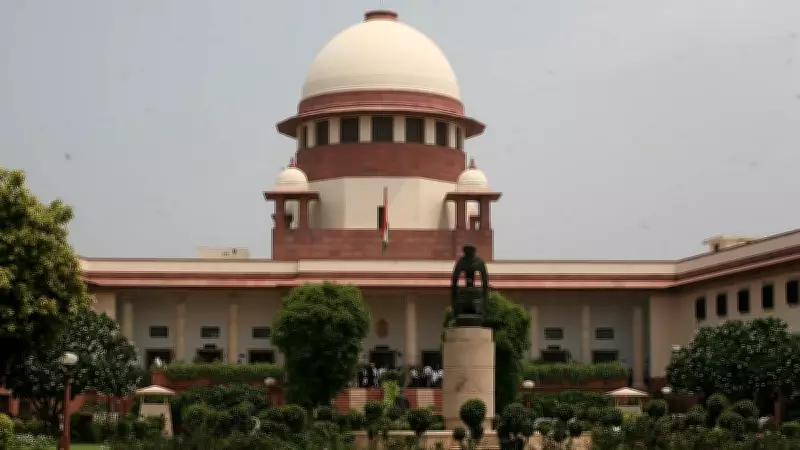
Supreme Court to Establish Comprehensive Guidelines for Timely Bail Plea Disposal
The Supreme Court of India has taken a decisive step toward addressing systemic delays in the judicial process by announcing its intention to lay down formal guidelines for the timely disposal of bail pleas. This move comes in response to widespread concerns over prolonged waiting periods for bail applications in various High Courts across the nation.
Addressing Judicial Backlogs and Delays
The bench, in its deliberations, expressed a clear recognition of the issue, stating, "We have no reason to doubt that the Chief Justices of the High Courts are cognizant that the High Courts, unfortunately, are unable to decide pending bail applications within a reasonable span of time." This acknowledgment underscores the gravity of the situation, where individuals awaiting bail decisions often face extended periods of uncertainty, impacting their rights and well-being.
The Supreme Court's initiative aims to streamline the bail process by introducing standardized procedures and timelines. These guidelines are expected to mandate specific timeframes for hearing and deciding bail applications, thereby reducing the backlog and ensuring swifter justice. The court emphasized that such measures are crucial for upholding the fundamental right to liberty and preventing undue hardship for accused persons.
Implications for Legal Reform and Judicial Efficiency
This development marks a significant shift in the Indian legal landscape, as it directly targets inefficiencies within the judiciary. By setting clear expectations for High Courts, the Supreme Court seeks to foster greater accountability and transparency in bail proceedings. Legal experts anticipate that these guidelines will not only expedite individual cases but also alleviate overcrowding in prisons, where many inmates are held pending trial due to delayed bail decisions.
Furthermore, the move is seen as part of broader efforts to enhance access to justice and reinforce public trust in the judicial system. It highlights the Supreme Court's proactive role in addressing procedural bottlenecks and ensuring that courts operate more efficiently. The guidelines are likely to include provisions for periodic reviews and monitoring mechanisms to track compliance and effectiveness.
In summary, the Supreme Court's decision to formulate guidelines for timely bail plea disposal represents a pivotal step toward judicial reform. By tackling delays head-on, it aims to protect individual rights, improve court functioning, and set a precedent for future legal enhancements in India's justice system.