Supreme Court Intervenes in Allahabad High Court Case Over Six-Year Delay
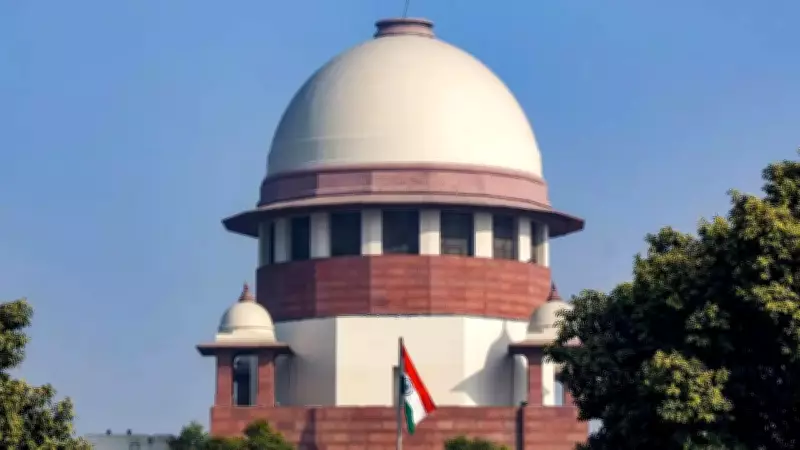
In an unprecedented move that highlights judicial inefficiency, the Supreme Court of India has directed the transfer of three petitions from the Allahabad High Court to itself. This decision comes as a significant embarrassment to the high court, which had reserved its order six years ago in a criminal case dating back to 1994, yet failed to deliver a verdict.
Bench Invokes Article 139A for Speedy Justice
A bench comprising Justices Vikram Nath and Sandeep Mehta justified this intervention by invoking Article 139A of the Constitution. This provision grants the Supreme Court the authority to withdraw cases pending before high courts and adjudicate them directly. The bench emphasized that its action was necessary to ensure speedy justice, as the delay had effectively stalled the trial in the three-decade-old criminal case.
The Supreme Court stated, "In these circumstances, the questions that arise are not confined to private interests of parties in a pending revision. They implicate the effective enforcement of binding directions of this Court, the constitutional requirement of timely adjudication after a matter is heard and judgment is reserved, and the credibility of criminal process in serious offences where long delay itself produces irreversible prejudice."
Directives and Broader Implications
The court has ordered the Registrar General of the Allahabad High Court to transmit the complete records of the three criminal revisions to the Supreme Court registry within three weeks. This case has been pending in the high court since 2012, with the order reserved in February 2020, yet no judgment has been delivered in the intervening years.
This incident is not isolated; the Allahabad High Court has recently faced criticism from the Supreme Court over the manner in which orders are passed. The Supreme Court bench clarified that such extraordinary jurisdiction should be exercised with great circumspection, reserved only for rare situations where continuing inaction infringes upon fundamental rights and no equally efficacious remedy exists.
The transfer underscores a critical issue in India's judicial system: the backlog of cases and delays in delivering justice. By taking this step, the Supreme Court aims to uphold the constitutional mandate for timely adjudication and restore faith in the criminal justice process, particularly in serious offences where prolonged delays can cause irreversible harm.