Supreme Court Upholds Preventive Detention of Kannada Actor Ranya Rao Under Cofeposa Act
In a significant ruling, the Supreme Court of India has upheld the preventive detention of Kannada actor Ranya Rao and her associate, Ballari-based gold trader Sahil Sakariya Jain, under the Conservation of Foreign Exchange and Prevention of Smuggling Activities (Cofeposa) Act. The decision reinforces the stringent measures against economic offenses, particularly in high-value smuggling cases.
Court Dismisses Appeals Against Karnataka High Court Ruling
A bench comprising Justice MM Sundresh and Justice N Kotiswar Singh dismissed the appeals filed by family members challenging a December 2025 Karnataka High Court ruling. The apex court emphasized that the authorities had meticulously followed all procedural safeguards, establishing sufficient "subjective satisfaction" regarding the duo's involvement in a large-scale gold smuggling syndicate.
According to sources, Ranya Rao's detention under the Cofeposa Act is set to conclude at midnight on April 22. The court's ruling underscores the legal framework's robustness in tackling organized crime, with the bench noting that preventive detention is a crucial tool for maintaining economic security.

Technical Arguments Rejected by the Supreme Court
The Supreme Court specifically addressed and rejected technical arguments raised by the appellants. These included claims about the non-supply of electronic evidence, such as a pen drive, while in prison, and the denial of legal representation before the advisory board. The court clarified that a detenu does not have an automatic right to legal aid unless the state is also represented by a legal practitioner, highlighting the balance between individual rights and state interests in such cases.
This aspect of the ruling sets a precedent for future cases under the Cofeposa Act, reinforcing that procedural technicalities cannot undermine the substantive evidence of involvement in smuggling activities.
Background of the Gold Smuggling Case
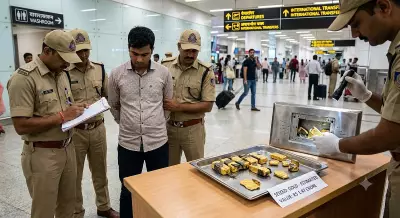
Ranya Rao, daughter of suspended senior IPS officer Ramachandra Rao, was arrested on March 4, 2025, after being caught smuggling 14.2 kilograms of gold. Subsequent investigations uncovered a larger racket valued at approximately Rs 40 crore, implicating Sahil Sakariya Jain as a key associate. The case has drawn significant attention due to its scale and the involvement of high-profile individuals.
The Supreme Court's decision affirms the seriousness with which the judiciary views such economic crimes, particularly those involving foreign exchange violations and smuggling. It serves as a stern warning against attempts to circumvent India's financial regulations.
Implications for Legal and Enforcement Frameworks
This ruling strengthens the enforcement of the Cofeposa Act, which is designed to prevent smuggling and conserve foreign exchange. By upholding the detention, the Supreme Court has validated the authorities' approach in using preventive measures to disrupt organized smuggling networks before they cause further economic harm.
The case also highlights the collaborative efforts between law enforcement agencies and the judiciary in tackling complex financial crimes. As India continues to combat smuggling and related offenses, such legal precedents are essential for maintaining the integrity of the economic system.
In summary, the Supreme Court's dismissal of the appeals marks a pivotal moment in the legal battle against gold smuggling, emphasizing the importance of procedural compliance and substantive evidence in upholding preventive detentions under the Cofeposa Act.