

Supreme Court Raises Alarm Over AI-Generated Fake Judgments in Legal Proceedings
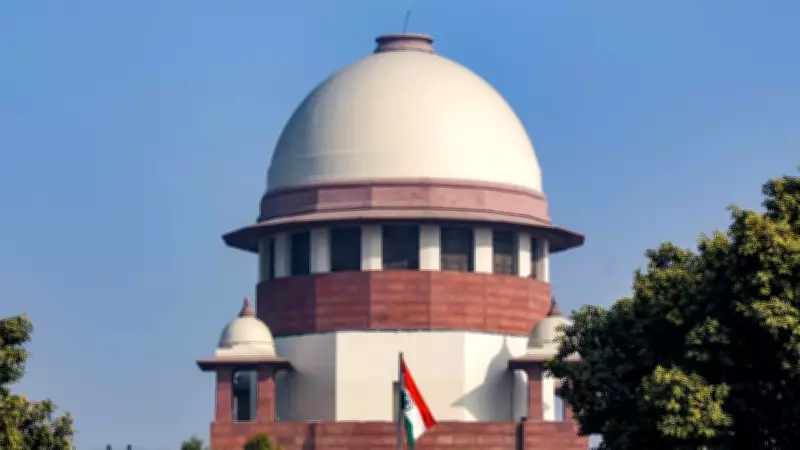
The Supreme Court of India has voiced serious apprehension regarding the escalating issue of lawyers and litigants presenting non-existent judgments fabricated by artificial intelligence tools. On Thursday, a bench comprising Justices Rajesh Bindal and Vijay Bishnoi highlighted that this troubling trend is proliferating not just within Indian courts but is emerging as a worldwide concern, necessitating heightened vigilance when utilizing AI-assisted legal materials.
Global Phenomenon of AI-Generated Legal Citations
The apex court's remarks were delivered during a session where it expunged certain observations made by the Bombay High Court in a case involving a company director. Justice Bindal emphasized, "As a matter of indulgence, we expunge the remarks... However, the fact remains that this menace is rampant in all courts now, not only in India but throughout the world. Everyone needs to be careful about this." The bench further disclosed that this critical issue is already under active consideration on the judicial side, indicating potential regulatory or procedural interventions.
Bombay High Court's Encounter with AI-Fabricated Content
The Bombay High Court had previously flagged alarming indicators in written submissions that appeared to be generated through AI platforms like ChatGPT. The court identified tell-tale signs including distinctive formatting patterns and repetitive language structures. More concerningly, the submissions referenced a specific case judgment that proved entirely untraceable within established legal databases and records.

Despite exhaustive efforts by court officials and law clerks to locate this cited judgment, the search proved fruitless, resulting in what the high court described as a significant waste of "precious judicial time." This incident underscores the practical challenges posed by unverified AI-generated legal content within the judicial system.
Responsibility and Verification in AI-Assisted Legal Research
While acknowledging that artificial intelligence tools can provide valuable assistance in legal research and documentation, the Bombay High Court underscored that ultimate responsibility rests with legal practitioners and parties to verify the accuracy and authenticity of any material produced using such technologies. The court's position establishes a clear expectation that AI should serve as an aid rather than an unchecked source for legal citations and arguments.
The Supreme Court's intervention brings this issue to national prominence, highlighting several critical aspects:
- The growing prevalence of AI-generated fake judgments across global judicial systems
- The substantial waste of judicial resources when courts must verify questionable citations
- The ethical responsibility of legal professionals to authenticate AI-assisted materials
- The potential need for updated guidelines governing AI usage in legal practice
This development occurs against a backdrop of rapid technological adoption within the legal profession, where AI tools promise efficiency gains but simultaneously introduce new risks of misinformation and procedural delays. The judicial system's response to this challenge may establish important precedents for balancing technological innovation with procedural integrity.






