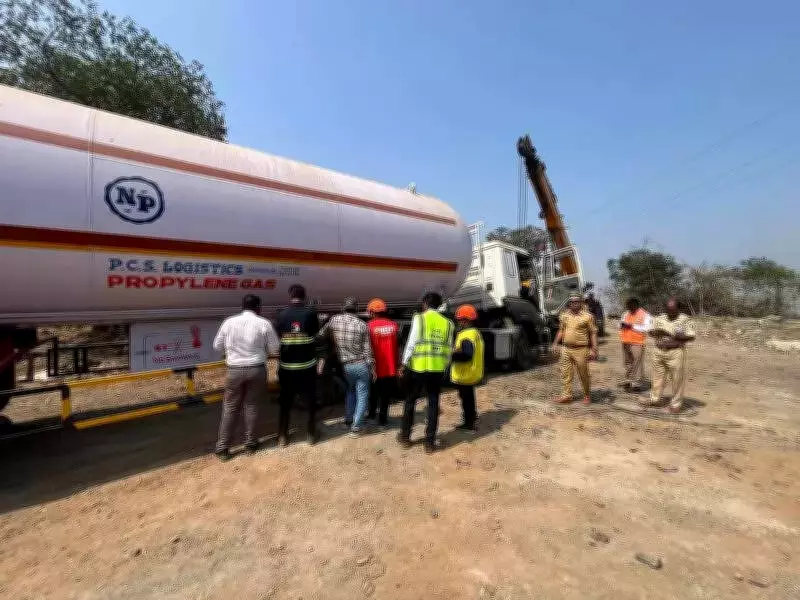
Second Propylene Tanker Accident on Pune-Mumbai Expressway in Under a Month
In a concerning recurrence, a propylene gas tanker belonging to the same firm involved in a previous major incident met with an accident on the Pune-Mumbai expressway on Monday. This marks the second such occurrence in less than a month, raising serious questions about highway safety protocols and emergency preparedness along this critical arterial route.
Details of the Latest Incident
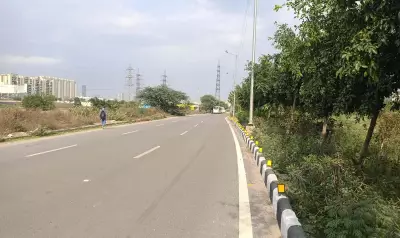
According to highway police authorities, the tanker, transporting highly inflammable propylene gas from Kochi in Kerala to Dahej in Gujarat, rammed into a crash barrier and an electric pole. The collision occurred near the Amrutanjan Bridge in the ghat section of the expressway at approximately 9:50 AM while the vehicle was en route to Mumbai.
Tanaji Chikhale, Superintendent of Police (Highway), provided crucial details to the press. "Fortunately, there was no leakage from the tanker. Our team and other rescue agencies rushed to the spot immediately and the vehicle was removed using cranes within 15 minutes, clearing the way for commuters," he stated, highlighting the swift response that prevented prolonged disruption.

Cause and Immediate Response
Preliminary investigations by the police point to a suspected brake failure as the likely cause of the accident. Officials emphasized that a major catastrophe was narrowly averted due to the absence of any gas leakage. "The driver managed to control the vehicle in time, due to which a major incident was avoided," noted a police officer involved in the case. The driver, a resident of Madhya Pradesh, sustained only minor injuries, and no other vehicles or individuals were affected.
Traffic movement from Pune towards Mumbai experienced a disruption of approximately 15 minutes. After the damaged tanker was moved to an open space using cranes, normal flow was promptly restored. A senior police officer explained that a team from the Bharat Petroleum Corporation Limited (BPCL) was informed about the incident. However, since there was no leakage, the tanker was shifted to prevent congestion before BPCL personnel could arrive at the location.
A BPCL official confirmed, "An official from our team rushed to the spot after receiving information. Since there was no leakage, the operator has been asked to arrange another vehicle to complete the onward journey."
Context: The Previous Major Incident
This accident follows a far more severe incident on February 3, when another propylene gas tanker, also traveling from Kochi to Dahej, overturned on the same expressway while heading towards Mumbai. That event resulted in a hazardous gas leak and triggered massive traffic snarls that persisted for almost 32 hours.
The February incident had dire consequences, with thousands of commuters, including vulnerable groups such as children and senior citizens, stranded on the road without access to basic necessities like food, water, or washroom facilities. The state administration faced heavy criticism for its apparent lack of adequate measures to handle such emergency situations effectively.
Political and Administrative Fallout
In the aftermath of the February disaster, Chief Minister Devendra Fadnavis ordered a formal inquiry. He directed the Maharashtra State Road Development Corporation (MSRDC) to prepare a comprehensive report. This report is expected to suggest immediate and actionable measures to enhance emergency response capabilities and prevent similar crises in the future on this vital transportation corridor.
The back-to-back incidents involving tankers from the same firm underscore persistent safety concerns. They highlight the urgent need for stricter enforcement of vehicle maintenance standards, improved driver training protocols, and robust contingency plans to protect public safety on one of India's busiest expressways.