






Politics

BJP Youth Wing Office-Bearer Booked for Calling Kondhwa 'Karachi' in Viral Video
Pune police registered a case against a BJP youth wing office-bearer for allegedly referring to Kondhwa as 'Karachi of Pakistan' in a viral video, following protests by residents.




World
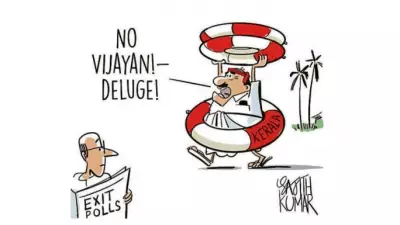
DH Cartoon Highlights Flood Crisis in Bengaluru
A Deccan Herald cartoon depicts Bengaluru's flooding woes, criticizing poor urban planning and infrastructure. The artwork underscores citizens' struggles with waterlogging.


Entertainment

Dhruva Sarja's KD: The Devil Opens to Energetic Response, Earns Praise
Dhruva Sarja's action drama 'KD: The Devil' hits theatres with energetic response. Directed by Prem, the film impresses critics and audiences with mass moments and strong performances.


Business

Air India Express flight to Lucknow, Delhi delayed by over 14 hours in Pune
Over 100 passengers on Air India Express flight IX-1618 from Pune faced a 14-hour delay due to aircraft and crew issues, causing frustration and missed emergencies.



Lifestyle




Technology

May 2026: Top Smartphones Launching This Month
May 2026 brings exciting smartphone launches from OnePlus, Oppo, and Vivo in India. Expect the OnePlus Nord CE6 series, Oppo Find X9 lineup, and Vivo X300 Ultra models.
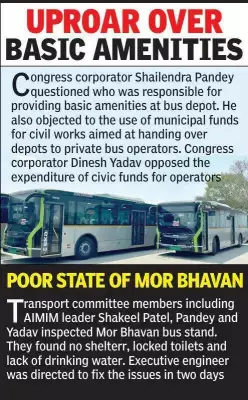
NMC Approves Rs 1.55 Cr for Feeder Bays, Bus Depot Land
Nagpur Municipal Corporation's transport committee approved Rs 1.55 crore for feeder bays at two depots and 3.54 hectares for a modern bus depot at Khapri, boosting electric bus infrastructure.

Retired professor loses Rs 1.04 crore in digital arrest scam
An 82-year-old retired professor in Bilaspur was held hostage for a week by cyber fraudsters who accused her of terror funding, drained her life savings of Rs 1.04 crore, and demanded another Rs 50 lakh.
Haryana Woman Rescued from Akola Man Met on Gaming App
A young woman from Haryana was rescued in Akola after being confined for five days by a married man she met on a gaming platform. The accused used a fake profile.
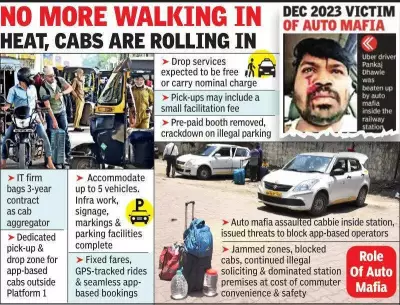
App Cabs Inside Nagpur Station from Friday
Nagpur railway station will allow app-based cabs inside premises from Friday, ending auto-rickshaw mafia dominance and providing organized last-mile connectivity.
