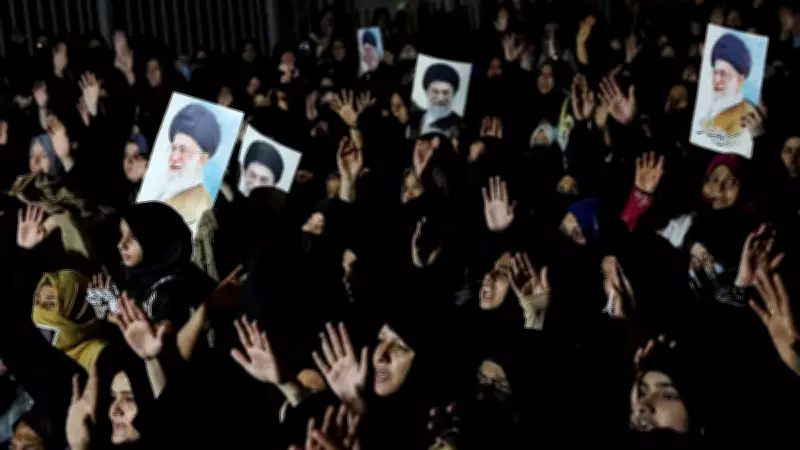
Pakistan's Shi'ite Anger Highlights Delicate Iran-US Balancing Act
Islamabad is currently navigating a complex diplomatic tightrope, attempting to balance the rising anger among its significant Shi'ite Muslim minority with its longstanding strategic alliance with Washington. This situation underscores the delicate geopolitical position Pakistan holds in a region marked by escalating tensions.
A Large and Influential Minority
Pakistan's Shi'ite community is the second-largest in the world, trailing only Iran. This demographic fact places immense pressure on the Pakistani government, as any perceived slight or policy misstep can ignite widespread discontent within this influential group. The community's grievances often stem from broader regional conflicts and international policies that affect Shi'ites globally.
The Washington Alliance Under Scrutiny
At the same time, Pakistan maintains a critical alliance with the United States, a relationship that has been pivotal for security cooperation, economic aid, and diplomatic support. However, this alliance is increasingly viewed with suspicion by many Shi'ites, who see U.S. policies in the Middle East as antagonistic toward Shi'ite-majority nations like Iran.
The Pakistani government must therefore walk a fine line, ensuring that its actions do not alienate either side. This involves careful diplomatic maneuvering, where public statements and policy decisions are crafted to appease domestic Shi'ite sentiments while not jeopardizing ties with the U.S.
Regional Tensions Amplify the Challenge
The situation is further complicated by ongoing regional tensions, particularly involving Iran, Israel, and other actors. Ayatollah Ali Khamenei's leadership in Iran often resonates with Pakistan's Shi'ites, making any conflict involving Iran a direct concern for Islamabad. The government's response to such events is closely watched, as it can either calm or inflame Shi'ite anger.
In essence, Pakistan's ability to manage this balancing act will have significant implications for its internal stability and international standing. Failure to address Shi'ite concerns could lead to increased domestic unrest, while distancing from the U.S. might result in lost strategic advantages.
As of March 2026, this remains a pressing issue for Pakistani policymakers, who must continuously adapt to evolving geopolitical dynamics. The outcome of this delicate dance will likely shape Pakistan's foreign policy and domestic harmony in the years to come.