Major Drama at AI Impact Summit as Shimla Police Detains Delhi Police Team
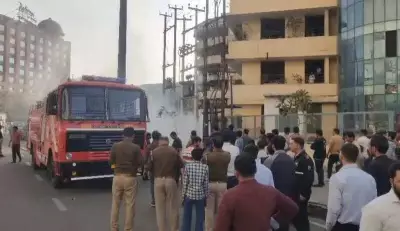
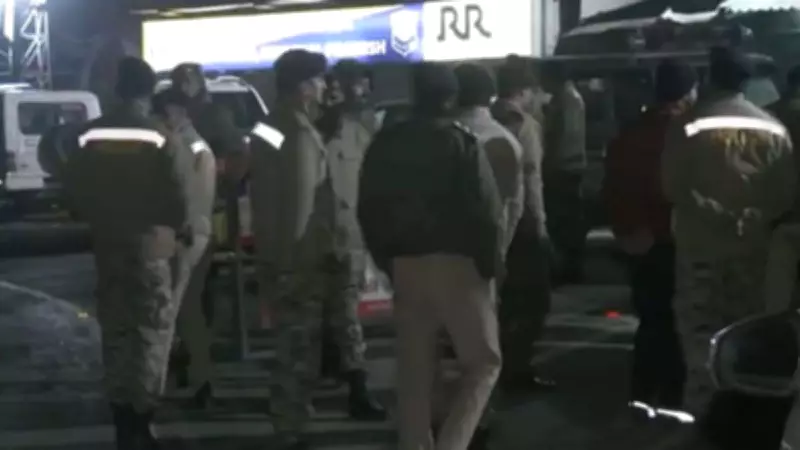
A significant incident of jurisdictional conflict and law enforcement drama unfolded at the AI Impact Summit in Shimla, Himachal Pradesh, on February 26, 2026. The Shimla police detained a team from the Delhi police, creating a tense standoff over the arrest of an accused involved in a shirtless protest. This event has sparked widespread attention and raised critical questions about inter-state police cooperation and procedural protocols during high-profile gatherings.
Background of the Incident
The AI Impact Summit, a major conference focusing on artificial intelligence and its societal effects, was being held in Shimla. During the summit, a protest occurred where an individual, whose identity has not been fully disclosed, staged a shirtless demonstration to highlight issues related to AI ethics or governance. The Delhi police, acting on specific intelligence or warrants, arrived at the venue to arrest this accused protester.
Key Points of the Drama
- Detention of Delhi Police Team: Upon attempting the arrest, the Shimla police intervened and detained the Delhi police team. This action was reportedly due to concerns over jurisdictional boundaries and the lack of prior notification or coordination with local authorities.
- Jurisdictional Tensions: The incident underscores the ongoing challenges in inter-state law enforcement, where police forces from different states may clash over authority and procedural adherence, especially in sensitive or high-security events.
- Nature of the Protest: The accused was part of a shirtless protest, a form of demonstration that has gained attention in various social movements. The specific motives behind this protest at the AI summit remain under investigation, but it likely relates to controversies surrounding AI development and implementation.
- Impact on Summit Proceedings: The drama caused a temporary disruption at the AI Impact Summit, drawing attention away from the conference's agenda and towards the law enforcement conflict. Organizers and attendees expressed concerns over security and the handling of such incidents.
- Legal and Procedural Questions: Authorities are now examining the legal basis for the Delhi police's actions and the Shimla police's response. This includes reviewing warrants, jurisdictional laws, and standard operating procedures for cross-state arrests.
- Public and Media Reaction: The incident has garnered significant media coverage, with debates emerging on social media and news platforms about police overreach, the right to protest, and the need for better inter-agency coordination.
- Resolution Efforts: Following the detention, senior officials from both police forces engaged in discussions to resolve the standoff. The accused protester was eventually taken into custody, but the details of this resolution and any charges filed remain unclear.
- Broader Implications: This event highlights the complexities of managing protests and law enforcement in an era of increasing technological summits and global events. It may prompt reviews of police protocols and inter-state collaboration mechanisms.
- Historical Context: Similar incidents of jurisdictional disputes between police forces have occurred in India in the past, often related to political or high-profile cases. This adds to a pattern that calls for systemic reforms.
- Future Precautions: In response, authorities might implement stricter guidelines for police operations during national or international events to prevent such conflicts and ensure smoother law enforcement actions.
Analysis and Takeaways
The detention of the Delhi police team by Shimla police at the AI Impact Summit is more than just a dramatic episode; it reflects deeper issues in India's law enforcement framework. As technology summits like this become more common, addressing jurisdictional overlaps and enhancing communication between state police forces is crucial. This incident serves as a reminder of the need for clear protocols and cooperative strategies to maintain order and uphold justice without unnecessary confrontations.
The fallout from this event is likely to influence future police training and operational guidelines, emphasizing the importance of coordination in a federal system. Stakeholders, including government bodies and civil society, will be watching closely as investigations proceed and any policy changes are considered.