

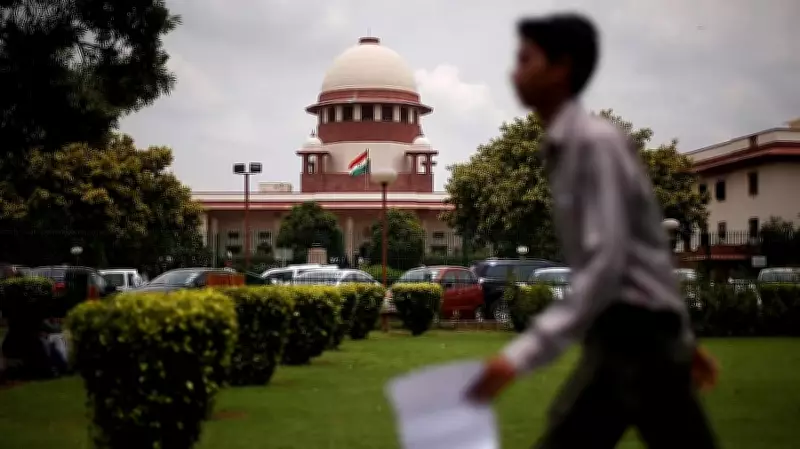
Supreme Court Rules Incarceration Without Trial Is Punishment, Grants Bail to Accused
In a landmark decision, the Supreme Court of India has declared that incarceration without trial amounts to punishment, emphasizing the fundamental rights of the accused. The court made this ruling while granting bail to an individual who had been in jail for two years without a trial, setting aside a previous order from the Punjab and Haryana High Court.
Overturning High Court's Bail Rejection
The Supreme Court set aside the July 11, 2025, order of the Punjab and Haryana High Court, which had rejected the bail plea of the accused, identified as Kumar. This move underscores the judiciary's commitment to ensuring that pre-trial detention does not become a form of undue punishment, especially in cases where trials are delayed.
Key Implications of the Ruling
The court's decision highlights several critical points:

- Right to Speedy Trial: The ruling reinforces the constitutional right to a speedy trial, as prolonged incarceration without adjudication violates basic legal principles.
- Judicial Oversight: It calls for greater scrutiny by courts in bail matters to prevent misuse of pre-trial detention.
- Legal Precedent: This judgment sets a precedent for future cases, potentially influencing how bail is granted in similar circumstances across India.
Background and Context
The case involved an accused who had been detained for two years without the conclusion of a trial. The Supreme Court's intervention came after the High Court's refusal to grant bail, which the apex court found to be inconsistent with justice. By granting bail, the Supreme Court aims to balance the scales of justice, ensuring that incarceration is not used as a punitive measure before guilt is established.
This ruling is expected to have far-reaching effects on the criminal justice system, promoting fairness and reducing overcrowding in jails due to pending trials. It serves as a reminder of the judiciary's role in protecting individual liberties against arbitrary state actions.






