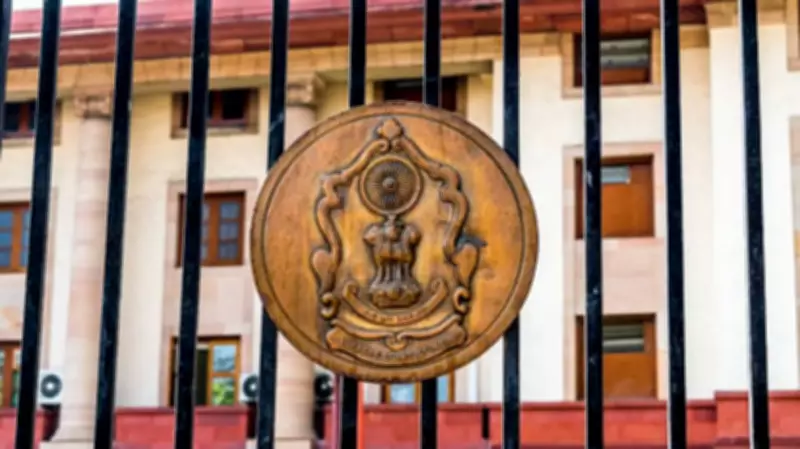
Supreme Court Intervenes in Tamil Nadu Waqf Board Legal Dispute
The Supreme Court of India has issued a significant interim order, staying a recent judgment from the Madras High Court that had imposed restrictions on the operational powers of the Tamil Nadu Waqf Board. This legal development provides temporary relief to the board while the higher court examines the broader constitutional and statutory implications of the case.
Judicial Stay on High Court's Restrictive Order
In a decisive move, the Supreme Court bench has suspended the Madras High Court's order, which had curtailed the administrative and functional authority of the Tamil Nadu Waqf Board. The stay order effectively allows the board to continue its activities without the limitations imposed by the lower court, pending a final resolution of the legal challenges. This intervention underscores the Supreme Court's role in maintaining the status quo in complex religious and administrative matters.
Supreme Court Raises Concerns Over Board's Constitution
Despite granting the stay, the Supreme Court made a critical observation regarding the formation of the Tamil Nadu Waqf Board. The court noted, in a preliminary assessment, that the board's constitution appears prima facie not to be in full compliance with the established provisions of law. This remark highlights potential legal deficiencies in how the board was structured or appointed, which may become a focal point in future hearings.
The court's statement suggests that while the immediate restrictions are lifted, there are underlying issues that need thorough judicial scrutiny. This dual approach—providing interim relief while flagging constitutional concerns—reflects the judiciary's balanced handling of sensitive cases involving religious endowments and statutory bodies.
Background and Implications of the Legal Battle
The Madras High Court's original order had sparked controversy by limiting the Tamil Nadu Waqf Board's powers, potentially affecting its management of waqf properties and religious affairs in the state. Waqf boards are statutory bodies under the Waqf Act, responsible for overseeing Muslim religious trusts and properties, making their governance a matter of significant public and legal interest.
The Supreme Court's stay order is expected to have immediate implications:
- Operational Continuity: The Tamil Nadu Waqf Board can resume its full range of functions without the High Court's constraints.
- Legal Precedent: This case may set important precedents for how waqf boards across India are constituted and regulated.
- Future Hearings: The Supreme Court will likely schedule detailed hearings to address the constitutional validity of the board's formation and the broader legal framework.
Legal experts anticipate that this ruling could influence similar disputes in other states, emphasizing the need for strict adherence to statutory requirements in the establishment of such boards. The Supreme Court's involvement ensures a national perspective on issues that often have localized impacts.
Next Steps in the Judicial Process
With the stay in place, the Supreme Court is poised to delve deeper into the merits of the case. Future proceedings will likely examine:
- The specific legal provisions governing the Tamil Nadu Waqf Board's constitution.
- Whether the board's formation aligns with the Waqf Act and other relevant laws.
- The potential consequences of any constitutional irregularities on its past and future decisions.
This legal saga underscores the intricate balance between religious autonomy and statutory compliance in India's diverse legal landscape. As the Supreme Court takes charge, stakeholders await further clarifications that could reshape the governance of waqf institutions in Tamil Nadu and beyond.