

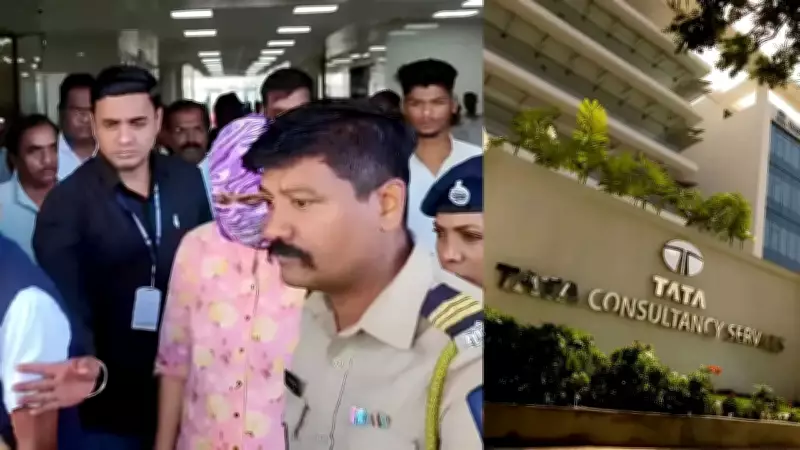
TCS Nashik Religious Harassment Case: Pregnant Employee Denied Interim Relief
In a significant development in the Tata Consultancy Services (TCS) Nashik religious harassment case, the absconding pregnant employee did not obtain interim relief from the court on Monday. The Nashik Road Sessions Court has scheduled the next hearing for April 27, prolonging the legal uncertainty surrounding the accused.
Legal Arguments and Grounds for Bail
The lawyer representing the female accused, Rahul Kasliwal, presented a key argument to the court, stating, “Casual talk on religion does not amount to hurting religious sentiments.” This defense forms a central part of the strategy to secure anticipatory bail for the 26-year-old woman, who faces allegations of religious harassment at the TCS Nashik office.
Her legal team, including advocate Baba Sayyed, filed the anticipatory bail application in the court of Nashik Road Sessions Judge Kedar Joshi. Sayyed confirmed to media sources that the plea was submitted on Saturday, with the court agreeing to hear it on Monday. The application cites multiple grounds for relief, emphasizing the accused's pregnancy as a critical factor.

Key points highlighted in the bail plea include:
- The accused is not the primary or main suspect in the case.
- The maximum punishment under the charges related to hurting religious sentiments is up to three years, which the defense argues supports the bail request.
- Her pregnancy is cited as a humanitarian ground warranting pre-arrest bail to avoid undue hardship.
Background of the Case
The case stems from an incident at the TCS Nashik office, where the employee is accused of engaging in alleged religious harassment. Details of the specific allegations have not been fully disclosed, but the legal proceedings focus on whether the actions constituted a violation of laws protecting religious sentiments. The accused has been absconding, adding complexity to the investigation and court proceedings.
Legal experts note that cases involving religious sentiments are sensitive and often draw public attention, particularly in corporate settings like TCS, a major IT services firm. The defense's argument that casual religious discussions should not be equated with intentional harm to sentiments could set a precedent in similar legal matters.
Next Steps and Implications
With the next hearing set for April 27, both the prosecution and defense are expected to prepare further arguments. The court's decision on the anticipatory bail plea will be closely watched, as it could influence the accused's ability to remain free during the trial and address her pregnancy-related needs.
This case highlights broader issues of workplace conduct and legal interpretations of religious harassment in India. As the proceedings continue, stakeholders await clarity on how the judiciary balances individual rights with societal sensitivities in such allegations.






